Conflict · 1939–1945 · 83 files
Second World War
From 1939 to 1945 the Second World War was fought across Europe, Africa, Asia and every ocean. Our files cover the soldiers, medics, pilots, sailors, resistance agents and rescuers, many of them overlooked, whose courage helped decide it.
Written stories
Case files from the Second World War
 File 042Article
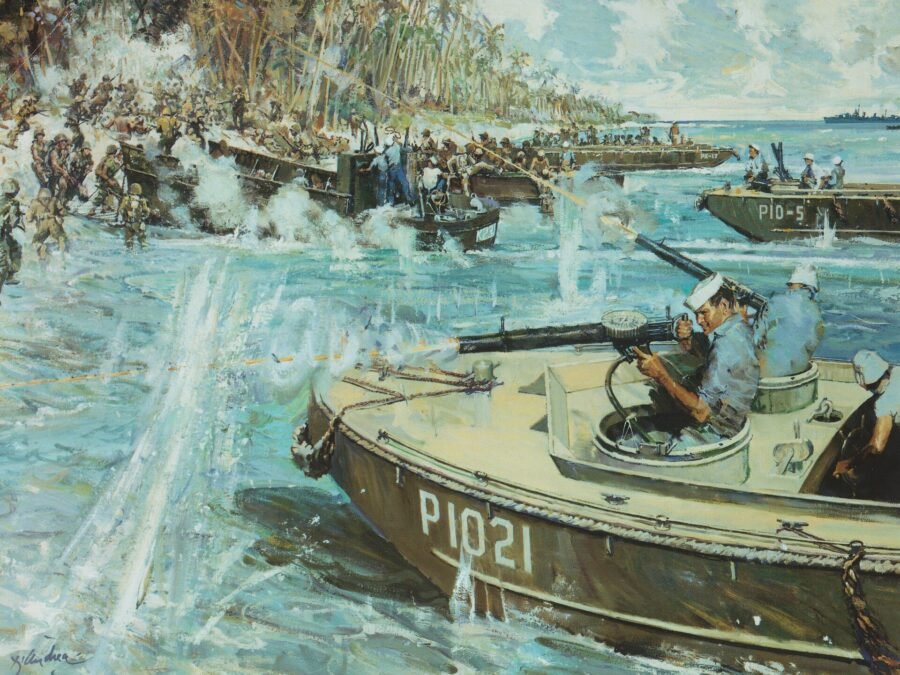
Guadalcanal, Solomon Islands · 1939–1942
“Did They Get Off?”
Douglas Munro joined the Coast Guard because its job was saving lives. On Guadalcanal in September 1942 he steered his landing craft between hundreds of trapped Marines and the Japanese guns so the others could load. Shot as the last boats pulled away, he asked one question before he died. He is the only Coast Guardsman ever awarded the Medal of Honor.
 File 041Article
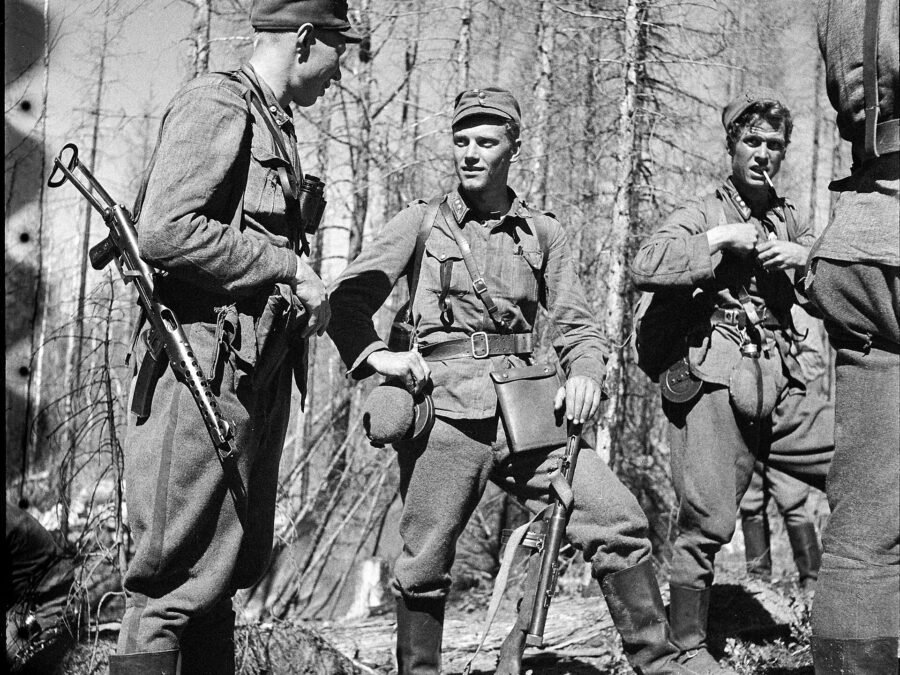
Karelia; later Vietnam · 1939–1965
The Soldier of Three Flags
Lauri Törni fought the Soviet Union for Finland in two wars and won the Mannerheim Cross, then trained with the Waffen-SS and was jailed at home for treason. He escaped to America, joined the Army as Larry Thorne, and became a legend in the Green Berets. He vanished in a helicopter over Vietnam in 1965. His remains came home thirty-four years later.
 File 040Article
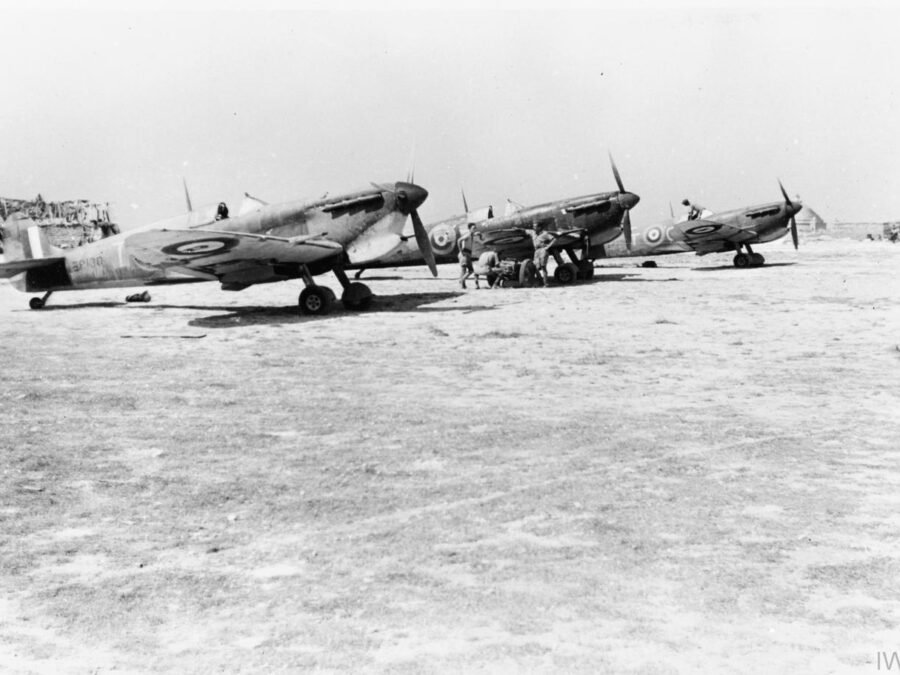
Malta · 1942
Screwball: The Falcon of Malta
Rejected by the Royal Canadian Air Force for lack of schooling, George “Buzz” Beurling crossed the Atlantic on a convoy to join the RAF. Over besieged Malta in the summer of 1942 he became the deadliest Allied fighter pilot of the campaign. He could not fit into the war’s end, or the peace.
 File 039Article
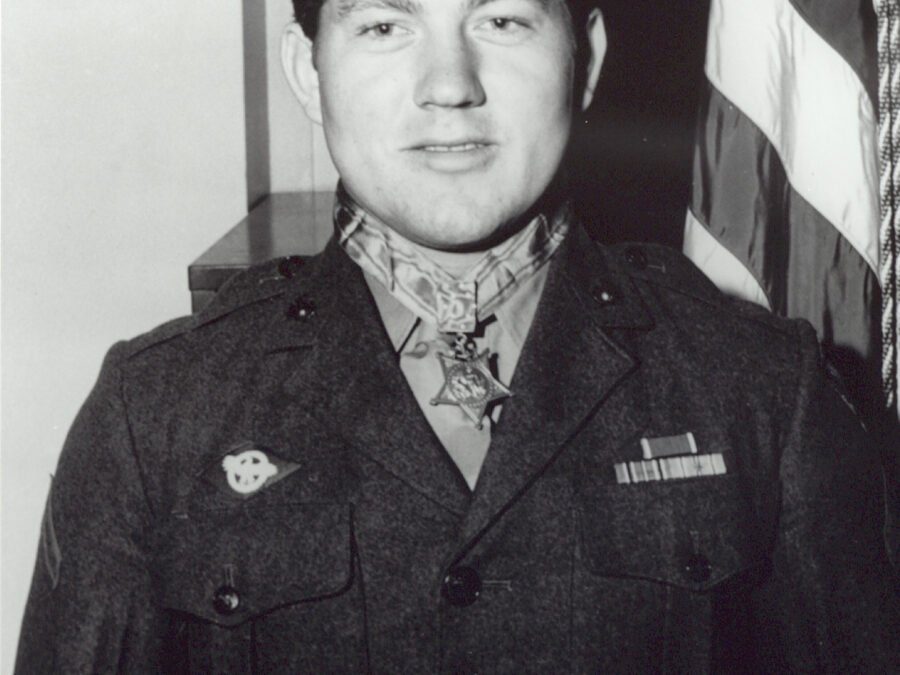
Iwo Jima · 1942–1945
Two Grenades in a Trench
Jack Lucas lied his way into the Marine Corps at fourteen, stowed away on a troopship to reach the fighting, and turned seventeen at sea on the way to Iwo Jima. On his second day ashore he threw himself on two Japanese grenades to save his friends. He became the youngest Marine ever awarded the Medal of Honor.
 File 038Article
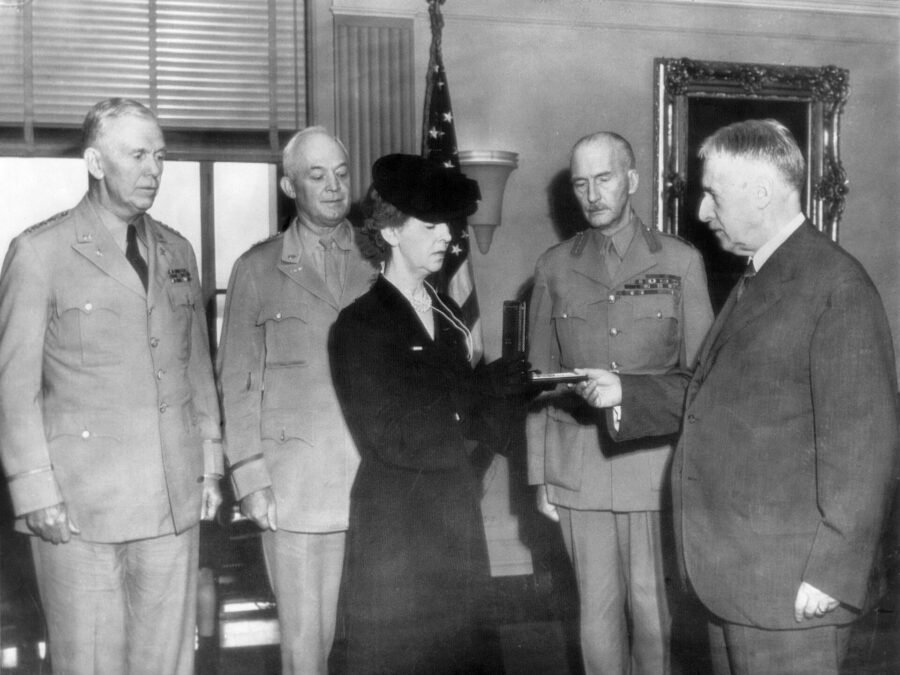
Utah Beach, Normandy · 1917–1944
“We’ll Start the War from Right Here”
At fifty-six, with a bad heart and arthritis that made him walk with a cane, Brigadier General Theodore Roosevelt Jr., the eldest son of a president, talked his way into the first wave at Utah Beach. When the landing craft came in a mile off course, he made the decision that saved the day. Five weeks later he was dead.
 File 037Article
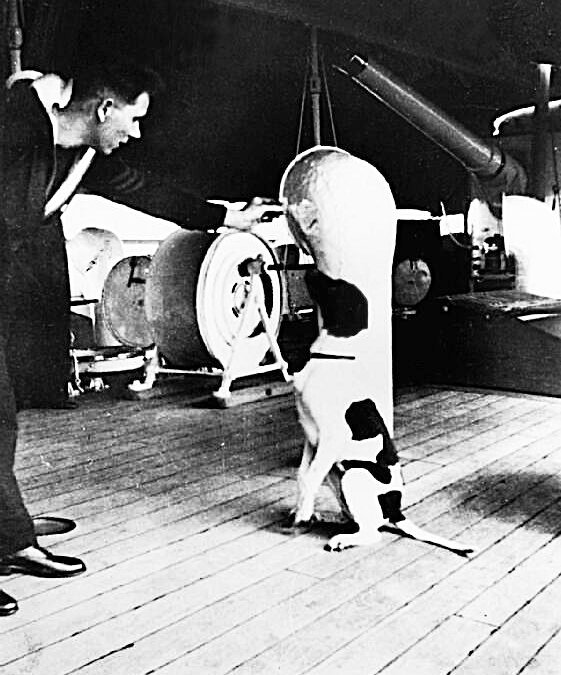
Yangtze River; Sumatra · 1936–1946
Prisoner 81A: The Dog Called Judy
Judy, a Royal Navy ship’s dog on the Yangtze, survived two sinkings, a crocodile, a jungle trek across Sumatra and three years in Japanese prison camps. A starving airman shared his rice with her and talked a drunken camp commandant into registering her as a prisoner of war: the only dog ever to be one.
 File 036Article
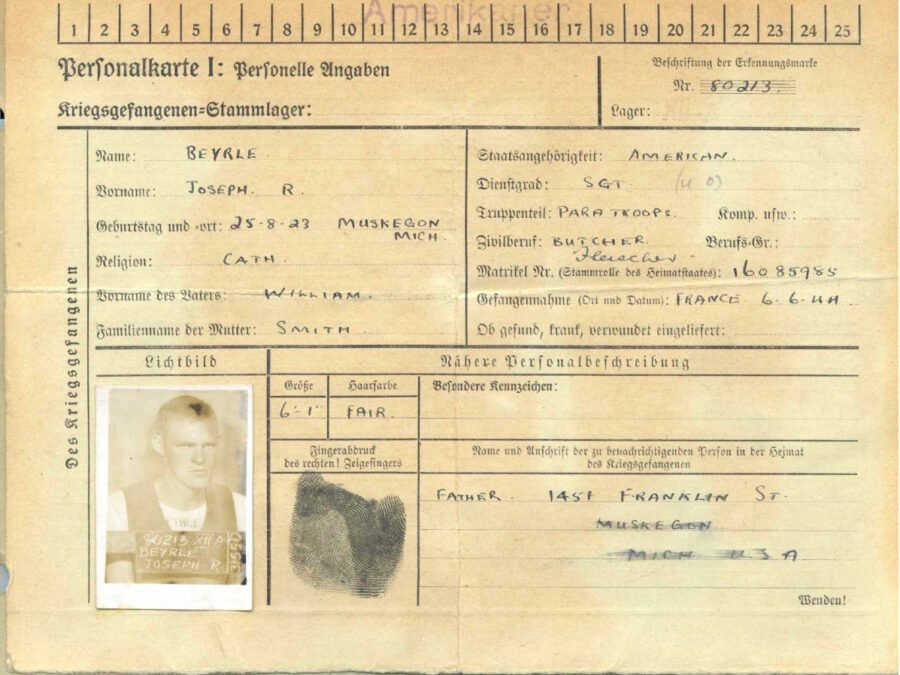
Normandy; Germany; the Oder front · 1944–1945
The Paratrooper Who Joined the Red Army
Joe Beyrle jumped into Normandy on D-Day with the 101st Airborne, was captured, escaped from a German prison camp and walked east until he met a Soviet tank battalion. He fought with them towards Berlin. At home he had already been declared dead, and his funeral had been held.
 File 035Article
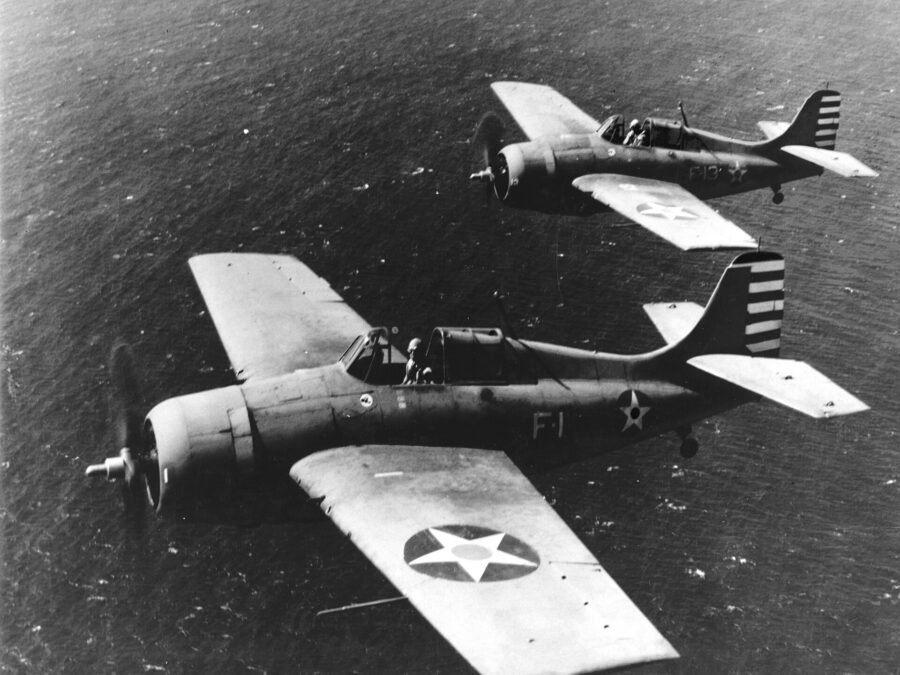
Off Bougainville; the Gilbert Islands · 1942–1943
Four Minutes over the Lexington
On 20 February 1942 Lieutenant Butch O’Hare flew alone into a formation of nine Japanese bombers heading for his carrier, USS Lexington, and broke up the attack. He became the Navy’s first Medal of Honor aviator of the war. His father had been murdered for helping to convict Al Capone. Chicago’s airport bears his name.
 File 034Article
Lisbon and London · 1941–1945
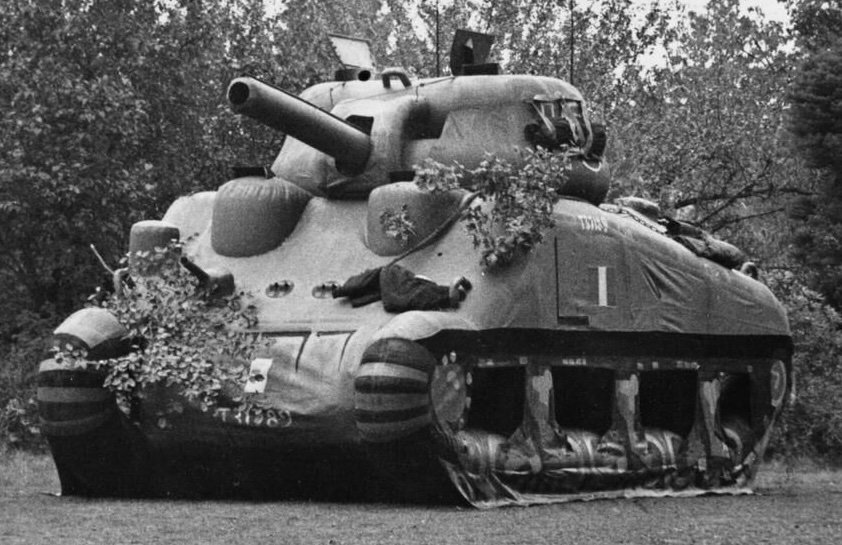
Agent Garbo and the Army That Never Was
Juan Pujol García, a Catalan poultry farmer, invented a network of twenty-seven spies in Britain who did not exist, and fed Hitler’s intelligence service a story so convincing that German divisions sat waiting at Calais for weeks after D-Day. Germany gave him the Iron Cross. Britain gave him the MBE.
 File 033Article
New Guinea and the Philippines · 1942–1945
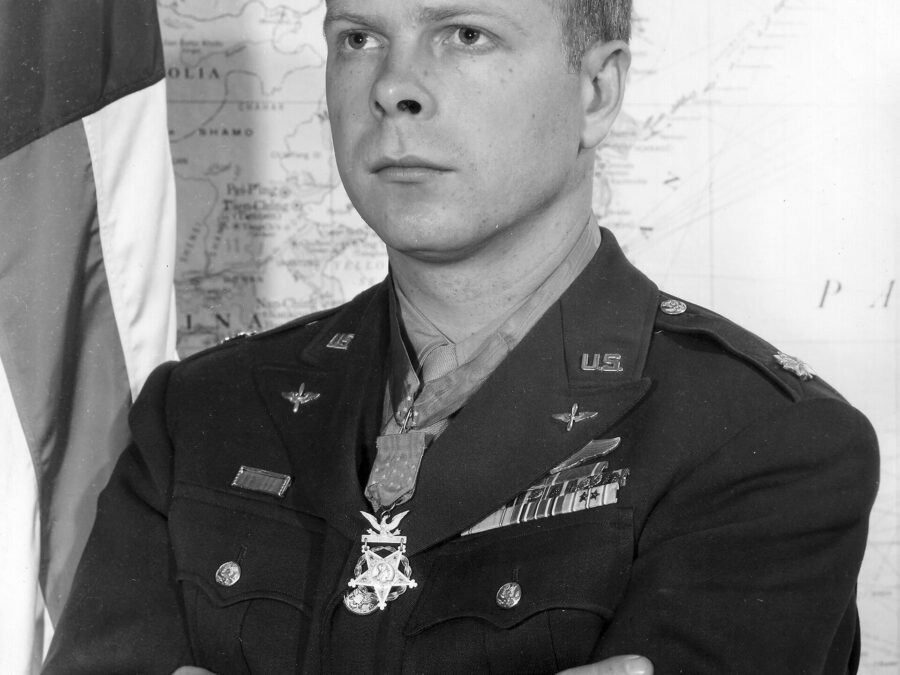
America’s Ace of Aces
A Wisconsin farm boy who once looped the Golden Gate Bridge became the highest-scoring American fighter pilot in history: forty Japanese aircraft, all in a P-38 Lightning. Sent home to safety, he died testing a jet fighter on 6 August 1945, the day the atomic bomb fell on Hiroshima.
 File 032Article
Houssen, Alsace, France · 1942–1945
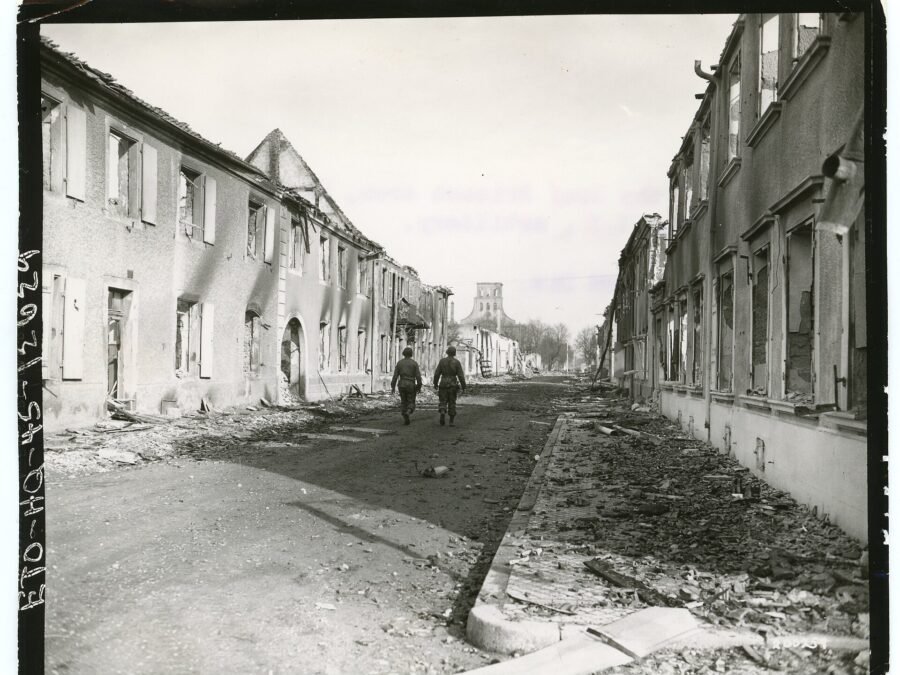
“Blanket My Position”
In a frozen ditch in Alsace in January 1945, Lieutenant Garlin Conner called American artillery down on his own position to stop six hundred Germans and six tanks. He went home to a Kentucky farm and never talked about it. It took his widow, a stranger and a twenty-two-year campaign to get him the Medal of Honor, seventy-three years later.
 File 031Article
Germany · 1943–1946
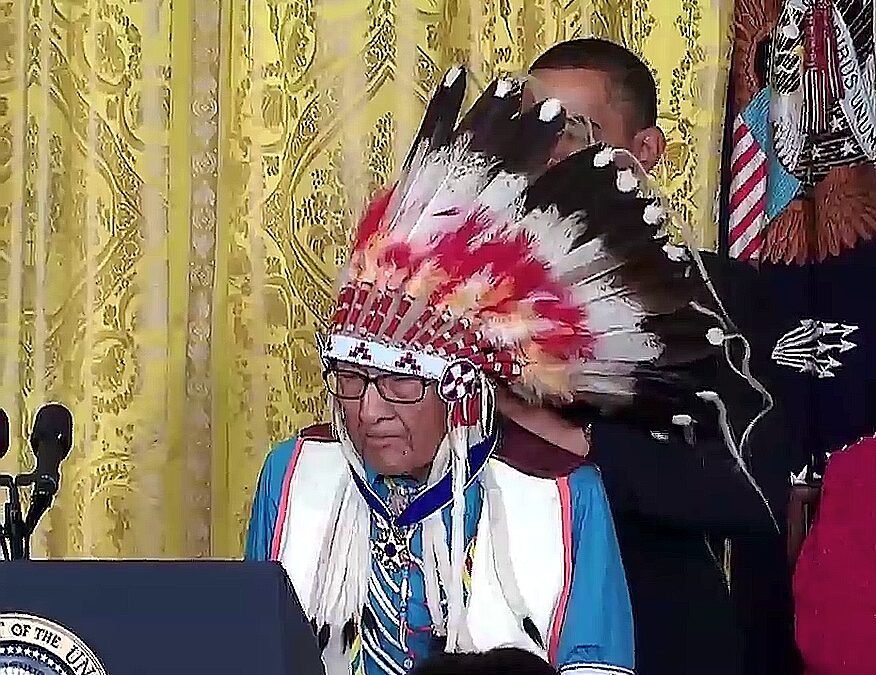
The Last War Chief of the Crow
Joseph Medicine Crow went to war in 1944 with red paint on his arms under his uniform and an eagle feather in his helmet. In Germany he completed the four deeds a Crow warrior needed to become a war chief, ending with fifty horses taken from the SS. He lived to be 102, the tribe’s historian and its last war chief.
 File 030Article
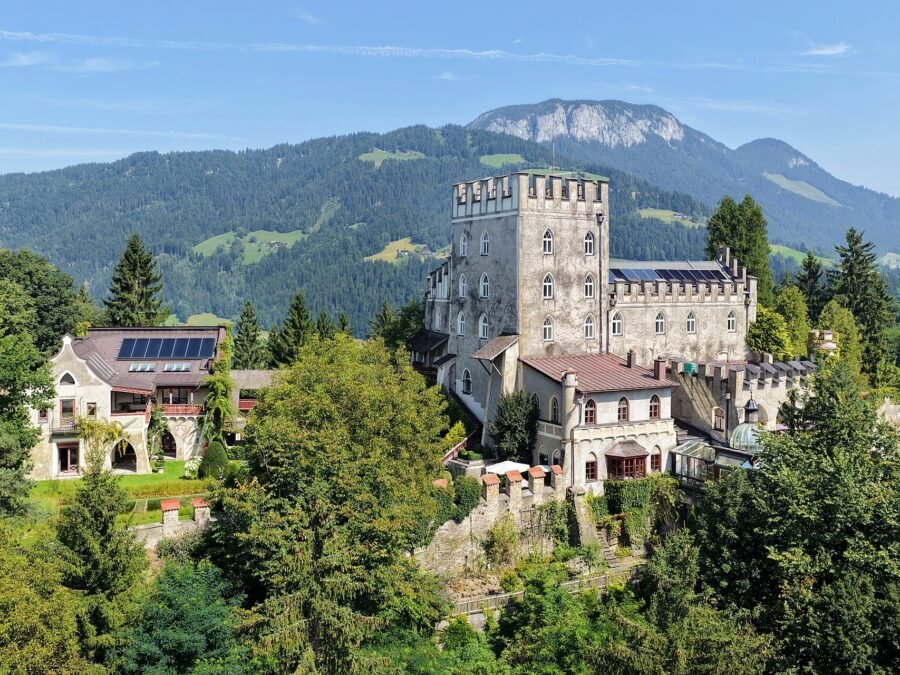
Itter, Tyrol, Austria · 4–5 May 1945
The Battle for Castle Itter
Five days after Hitler’s death, in a castle in the Austrian Alps, American tank crews, German Army soldiers, a converted SS officer and a group of famous French prisoners, including two former prime ministers and a tennis champion, fought side by side against the Waffen-SS.
 File 029Article
Persia, Italy and Scotland · 1942–1947
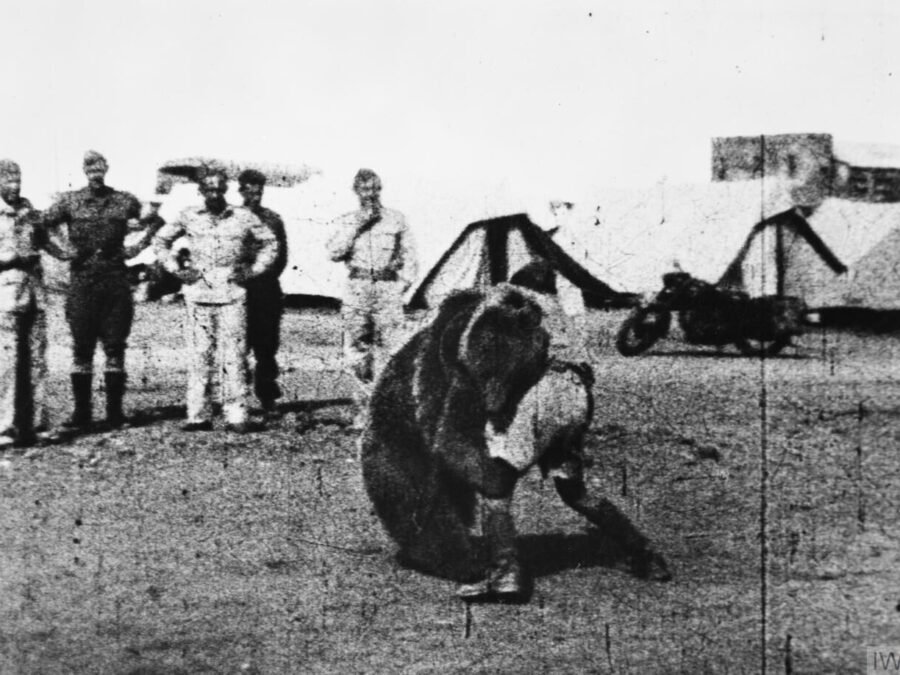
Corporal Wojtek of the 22nd Company
Polish soldiers freed from Soviet camps bought an orphaned bear cub on a road in Persia in 1942. He grew up drinking beer and wrestling with the men, was enlisted as a private so he could sail to Italy, and, his company said, carried shells at Monte Cassino. He ended his days in Edinburgh Zoo, listening for Polish voices.
 File 027Article
Libya and Egypt; later Sicily, France and Germany · 1941–1945
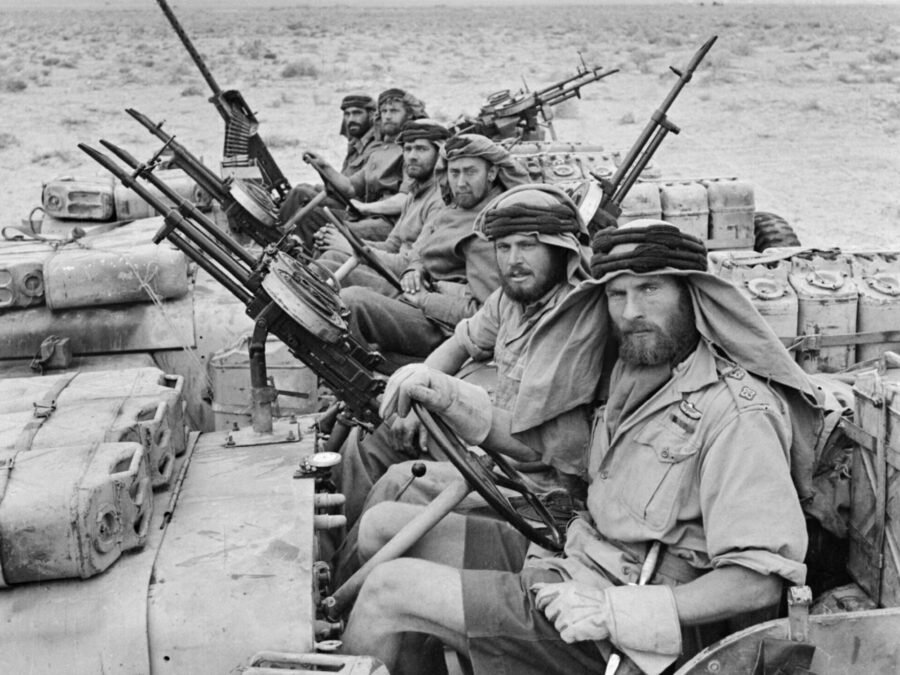
The Lion of the Desert Raids
An Irish rugby international and Lions forward, Blair “Paddy” Mayne helped found the SAS and led its raids on German airfields in the desert. He finished the war with four Distinguished Service Orders. The Victoria Cross he was recommended for in 1945 was never given, and people are still arguing about why.
 File 026Article
Crete and the Western Desert · 1941–1942
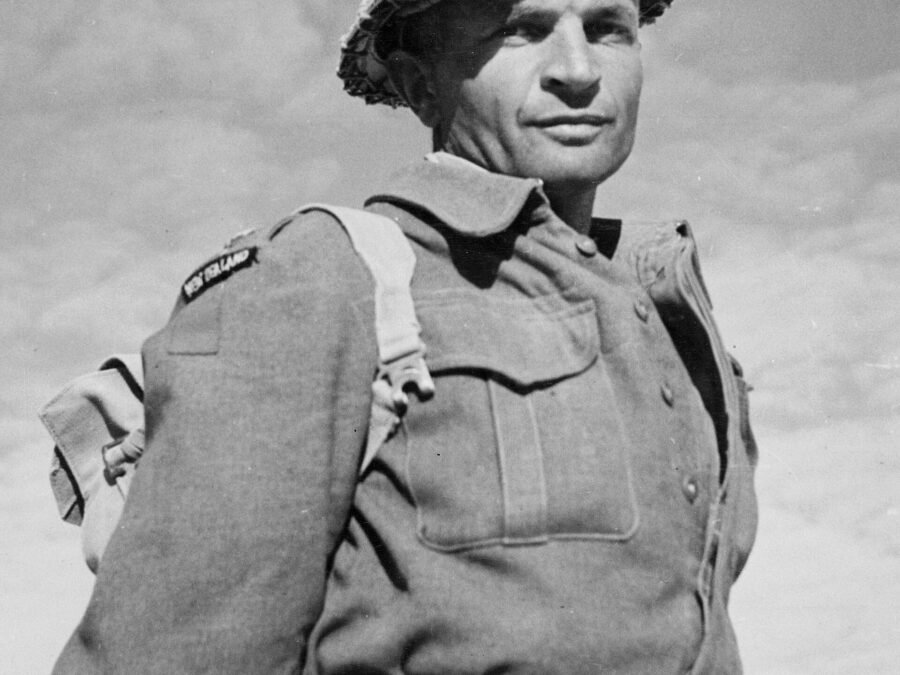
Twice the Victoria Cross
A shy New Zealand sheep farmer who did not want a medal won the Victoria Cross twice: on Crete in 1941 and on Ruweisat Ridge in 1942. No other fighting soldier has done it. Then he spent three years trying to escape from German prison camps.
 File 025Article
Solomon Islands and Rabaul · 1941–1945
The Black Sheep Who Came Back
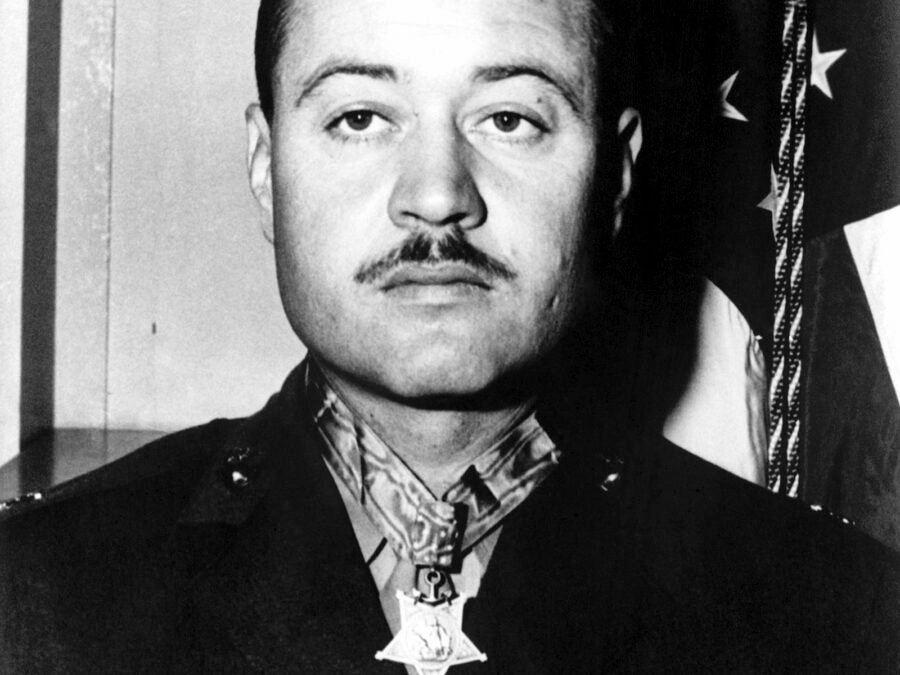
Gregory “Pappy” Boyington brawled, drank and argued his way through the peacetime Marine Corps and the Flying Tigers. In the Solomons he led a squadron of misfits to fame, equalled the American record, and vanished over Rabaul. He was given the Medal of Honor as a dead man. Twenty months later he walked out of a Japanese prison camp.
 File 024Article
Iwo Jima · 1942–1945
The Pima Marine on Suribachi
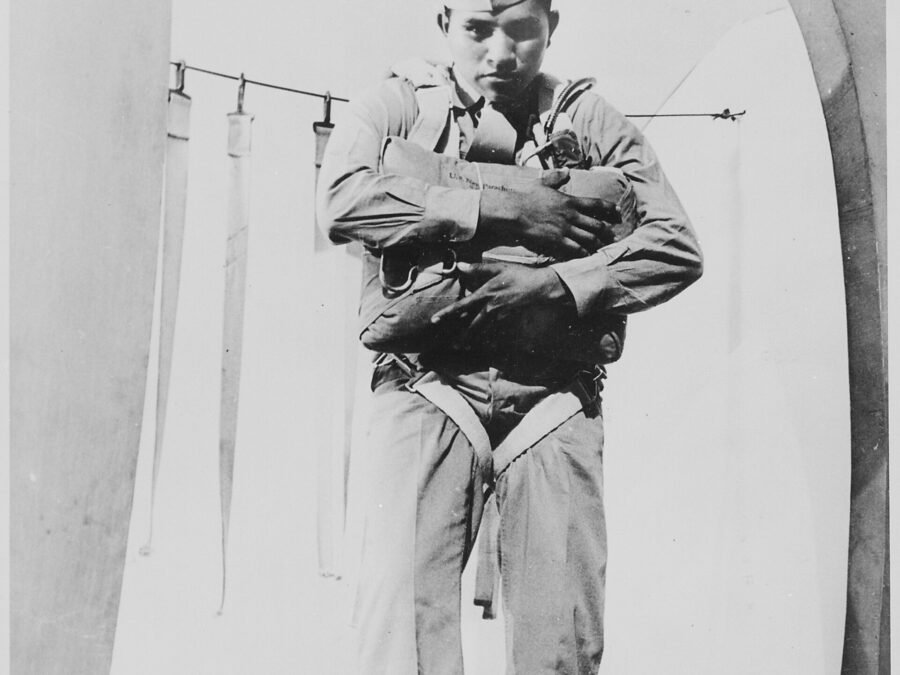
Ira Hayes, a quiet Pima from the Gila River reservation, helped raise the flag in the most famous photograph of the war. Then his country turned him into a symbol he never wanted to be. He hitchhiked 1,300 miles to tell one grieving mother the truth.
 File 023Article
Tokyo and the East China Sea · 1942
Sixteen Bombers, One Way
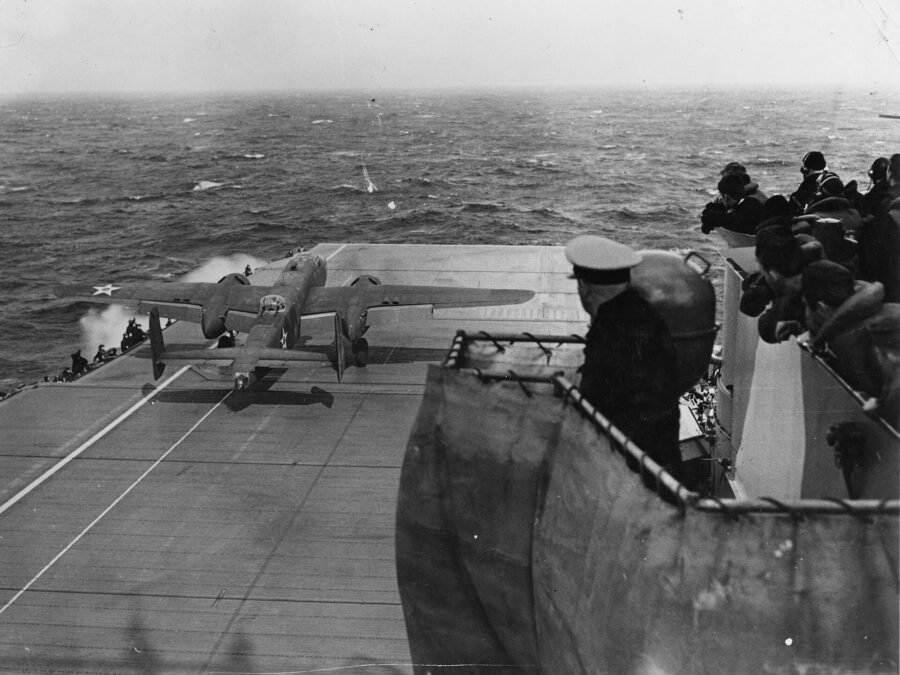
Four months after Pearl Harbor, Jimmy Doolittle led sixteen Army bombers off the deck of a Navy carrier to strike Japan, knowing they could not come back. He crash-landed in a Chinese rice paddy convinced he would be court-martialled. Instead he was given the Medal of Honor.
 File 021Article
Occupied France · 1941–1944
The Limping Lady of Lyon
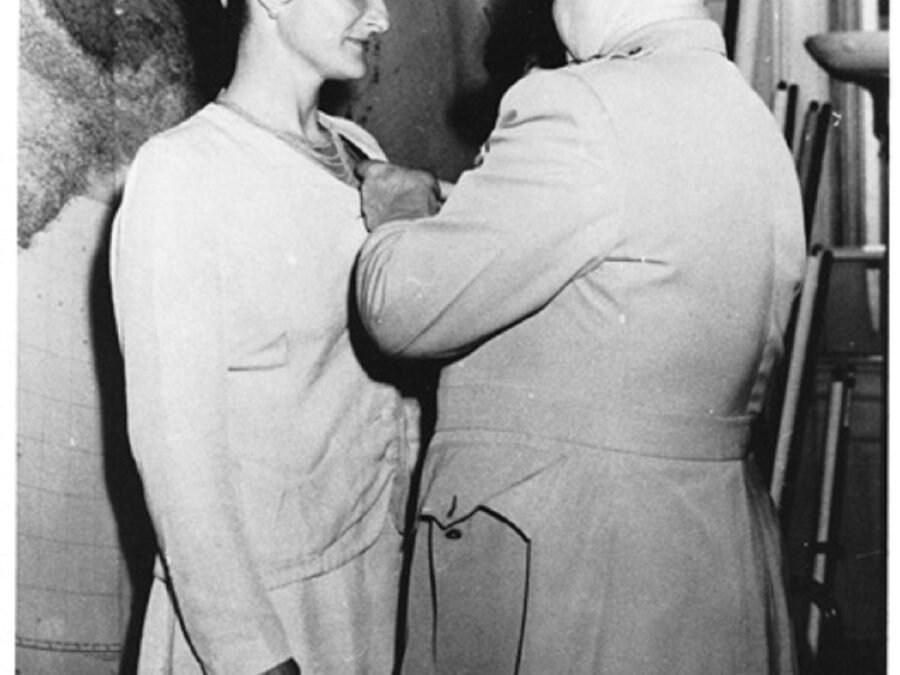
Turned down by the State Department because she had lost a leg, Virginia Hall became one of the most effective Allied agents in occupied France. The Germans hunted “the limping lady” for years. They never caught her.
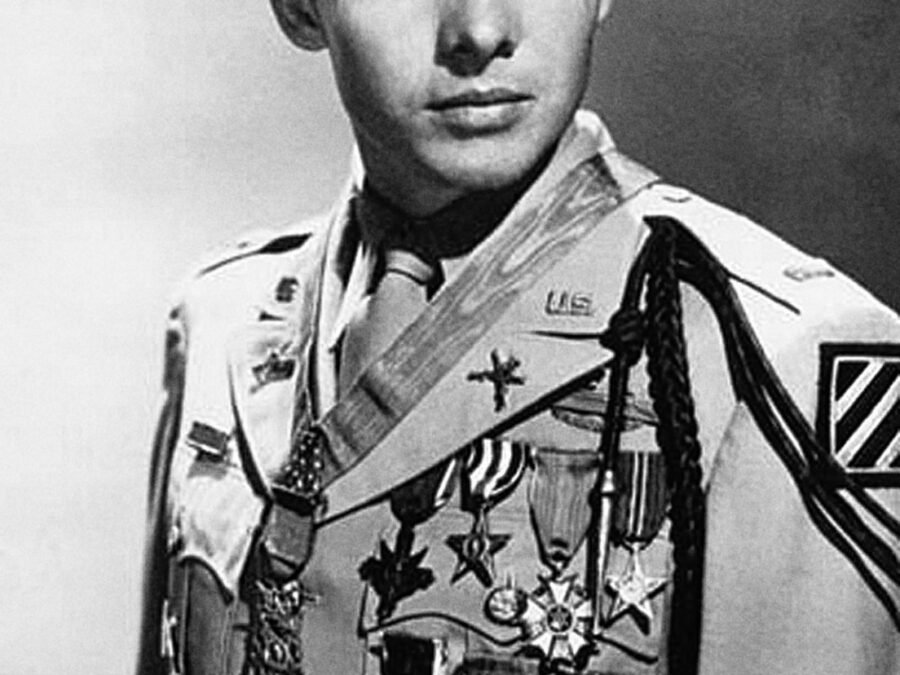 File 010Article
Holtzwihr, France · 1943–1945
The Burning Tank at Holtzwihr
Audie Murphy was turned away by the Marines for being too small. On 26 January 1945, standing on a burning tank destroyer in eastern France, he held off a German attack for an hour.
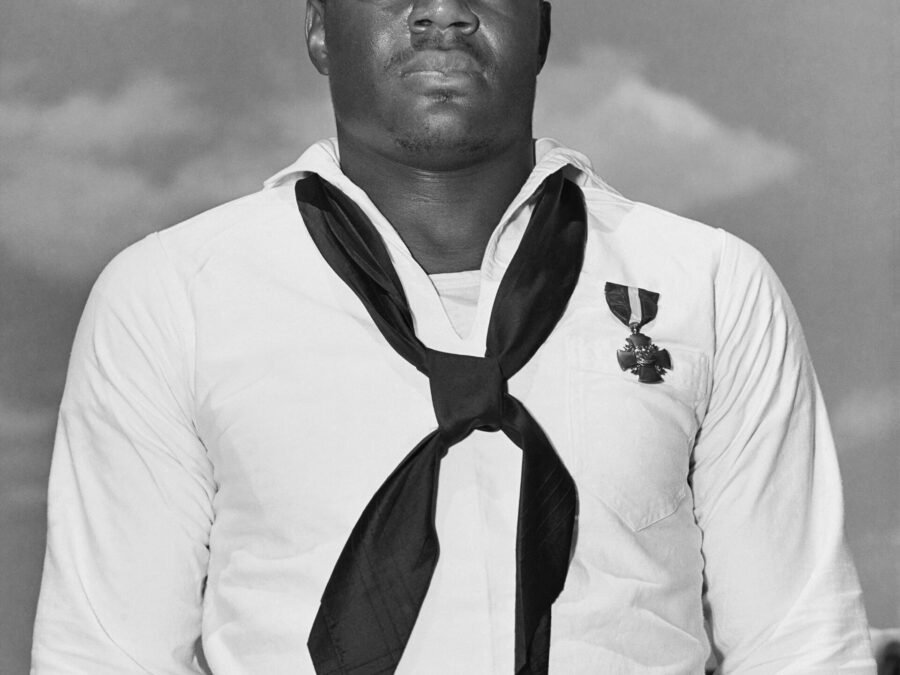 File 020Article
Pearl Harbor · 1941–1943
The Mess Attendant at Pearl Harbor
The Navy of 1941 would only let Doris Miller cook, clean and wait tables. When Japanese aircraft struck Pearl Harbor, he carried his dying captain to cover and then fired an anti-aircraft gun he had never been trained to use.
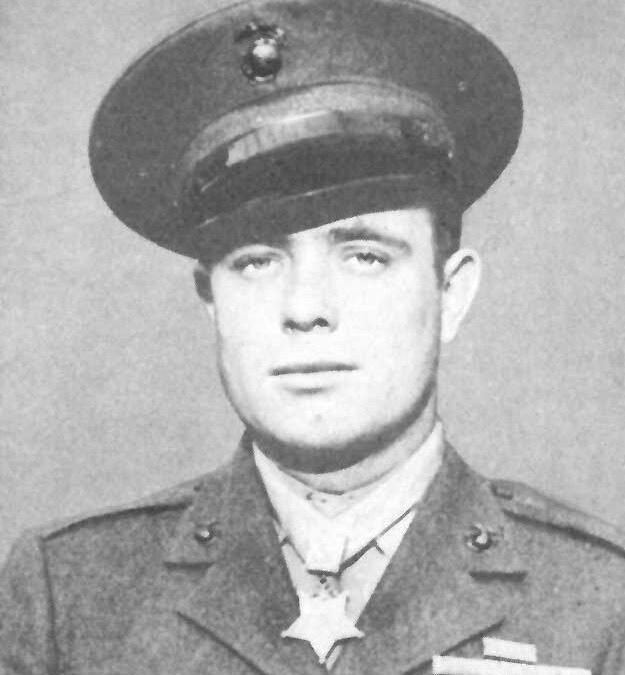 File 019Article
Iwo Jima · February 1945
Four Hours with a Flamethrower
Turned away by the Marines for being too short, Woody Williams landed on Iwo Jima in February 1945 carrying a seventy-pound flamethrower. For four hours he went pillbox to pillbox while his covering riflemen fell.
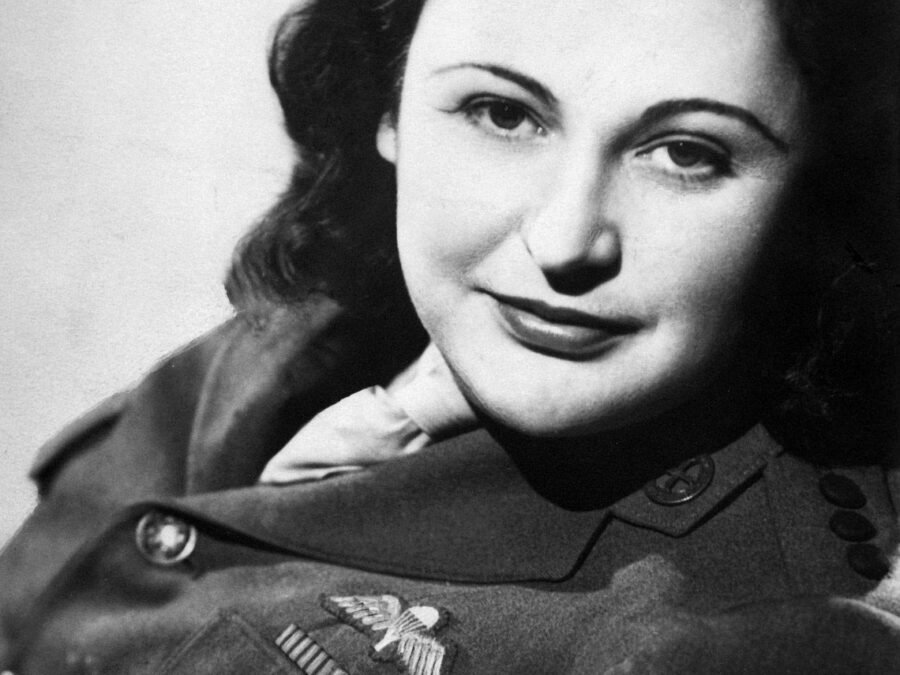 File 017Article
Marseille · Auvergne · 1940–1944
The White Mouse
A runaway from Sydney became a journalist in Paris, smuggled Allied airmen out of France, and parachuted back in 1944 to arm thousands of French resistance fighters. The Gestapo never caught her.
 File 016Article
Warsaw · 1939–1945
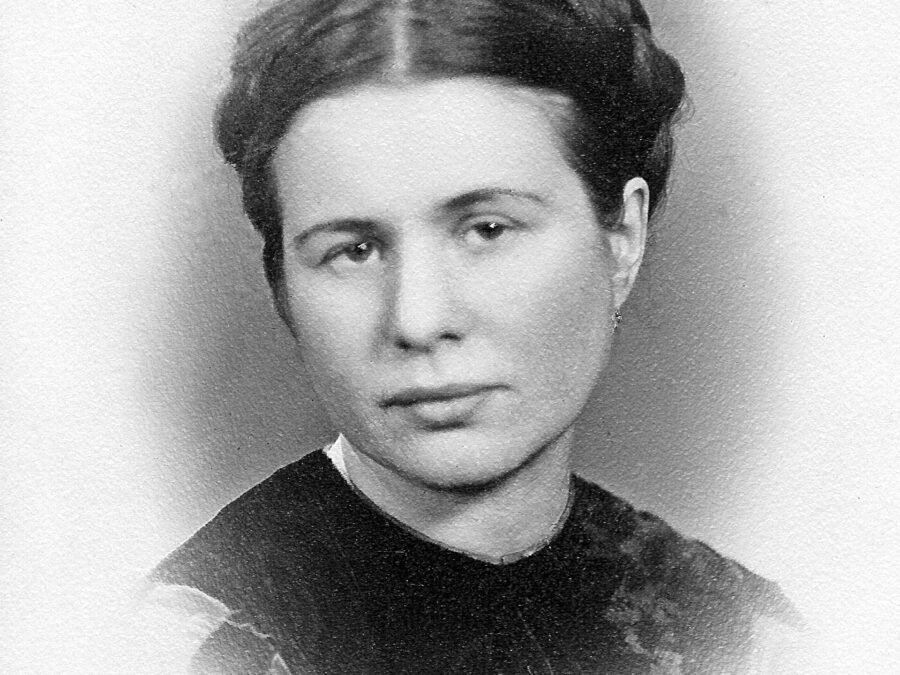
The Names in the Jars
A Warsaw social worker used a pass for typhus inspections to get into the ghetto, and led a network of women that smuggled Jewish children out. She wrote their real names on lists and buried them in jars.
 File 015Article
Netherlands · Korea · 1944–1951
The One-Eyed Ghost of Zwolle
Léo Major lost an eye days after D-Day and refused to go home. In April 1945 he walked into the occupied Dutch city of Zwolle alone. By morning the Germans had gone. How much of that was his doing is still argued about.
 File 012Article
Okinawa · 1944–1945
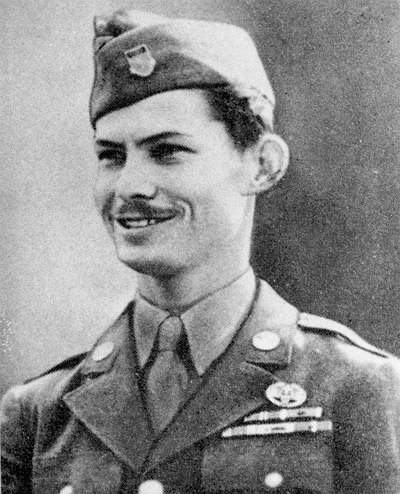
Lord, Help Me Get One More
Desmond Doss refused to carry a rifle. On a cliff on Okinawa he lowered wounded men down a rope one at a time, and became the first conscientious objector to receive the Medal of Honor.
 File 005Article
Occupied France · 1943–1944
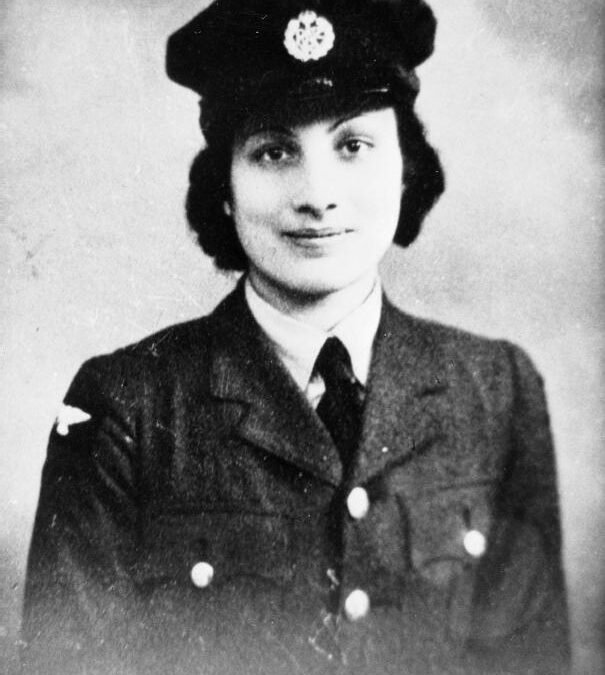
Madeleine: The Last Radio in Paris
A children’s author trained as a wireless operator, Noor Inayat Khan kept transmitting to London for more than three months after her network was destroyed around her.
 File 004Article
Soviet Union · Poland · 1942–1945
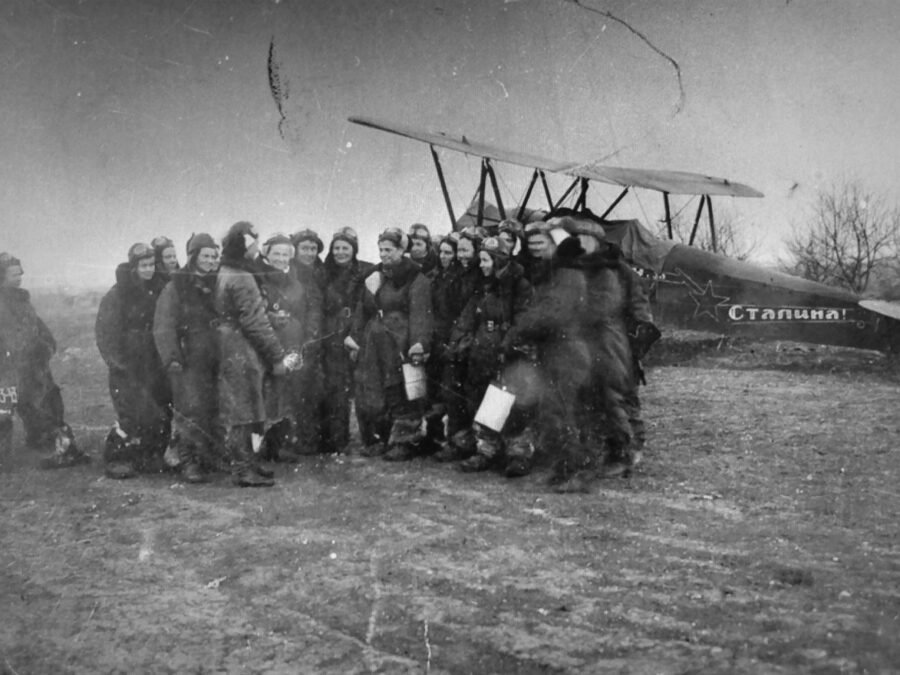
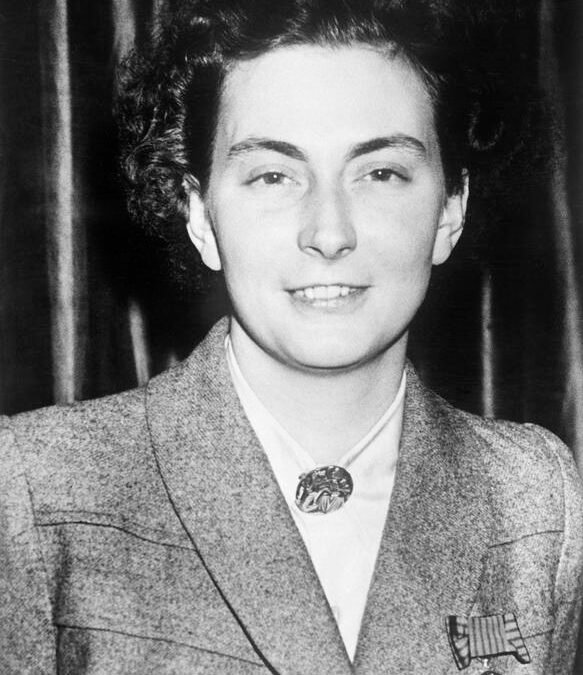
Eighteen Sorties in One Night
Nadezhda Popova flew 852 combat missions in a plywood-and-canvas biplane with no radio and no guns. The German soldiers below called her regiment the Night Witches.
 File 003Article
Belgium · France · Spain · 1941–1943
Dédée and the Line Through the Pyrenees
At twenty-four, Andrée de Jongh walked a British soldier from Brussels to Spain and then talked the British into funding her. The Comet Line she built brought more than seven hundred Allied servicemen home.
 File 002Article
Guadalcanal · 1942
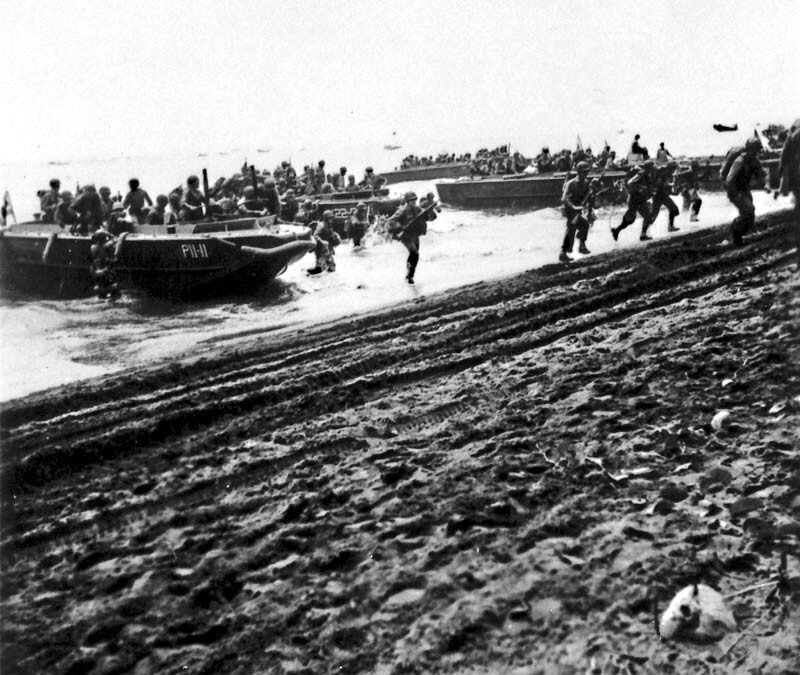
The Scout Who Would Not Talk
Captured behind Japanese lines on Guadalcanal with a small American flag hidden in his clothing, Jacob Vouza was tied to a tree, bayoneted and left for dead. He chewed through the ropes.
 File 001Article
Normandy · June 1944
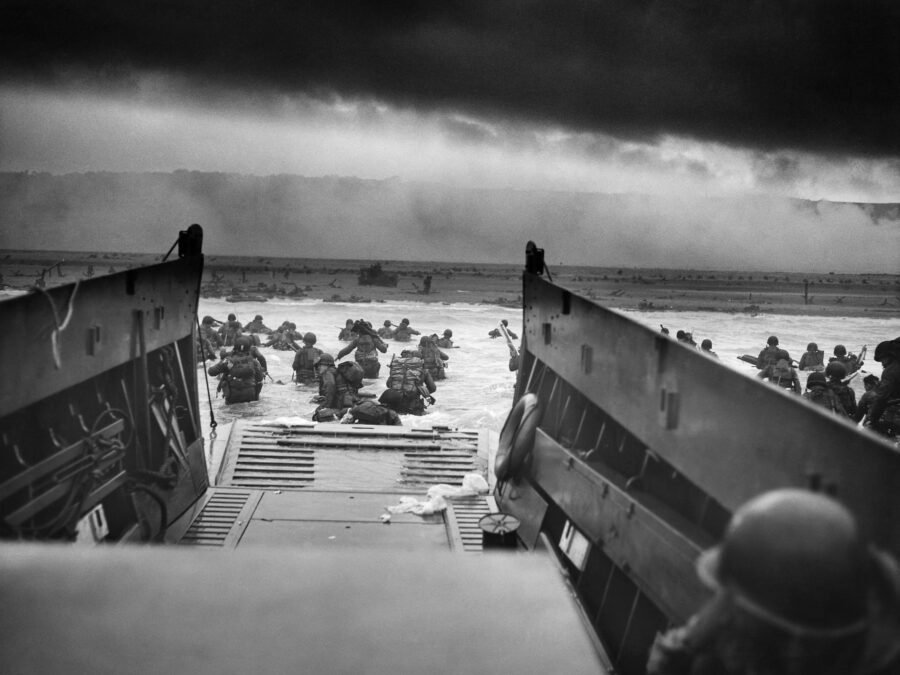
The Medic of Omaha Beach
Wounded before he reached the sand, Corporal Waverly Woodson Jr. treated more than two hundred men over thirty hours. The Medal of Honor recommended for him never came.
Films
All 51 films →
Watch the documentaries
 ▸ Film
Pacific
Manuel Perez
One pillbox stopped his whole company — so he took it alone and killed 18
 ▸ Film
North Africa & Mediterranean
The Arizona Kid
Wounded and alone, he charged into 200 Germans with flamethrowers and broke them
 ▸ Film
Western Front
Garlin Conner
The second-most decorated U.S. soldier of WWII — and it took 73 years to honor him
 ▸ Film
Pacific
Rodger Young
The nearly deaf soldier who demoted himself — then crawled alone into the guns
 ▸ Film
Second World War
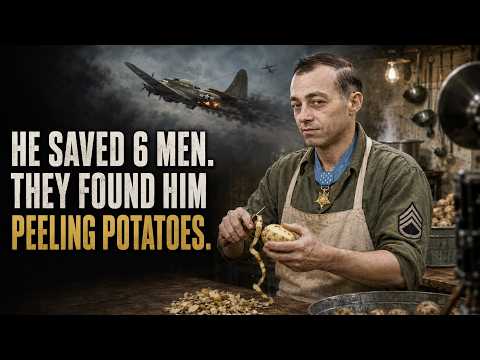
Snuffy Smith
They pinned the Medal of Honor on a man who'd been peeling potatoes on KP
 ▸ Film
Pacific
The Flying Undertaker
He took on 13 enemy planes with one wingman and shot down 7
 ▸ Film
North Africa & Mediterranean
Buzz Beurling
He shot down 27 planes in 14 days — then couldn't survive peace
 ▸ Film
Western Front
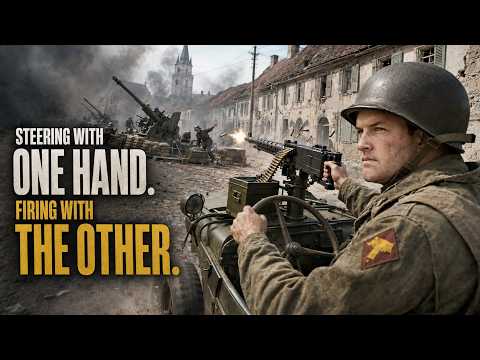
Llewellyn Chilson
Truman gave him seven medals and said they should be a Medal of Honor
 ▸ Film
Eastern Front
Joe Beyrle
The only man to fight for both America and the Soviet Union in WWII
 ▸ Film
North Africa & Mediterranean
Paddy Mayne
He commanded the SAS and destroyed 100 planes. Still no VC
 ▸ Film
North Africa & Mediterranean
Bill Crawford
They gave his Medal of Honor to his father — they thought he was dead
 ▸ Film
Western Front
Vito Bertoldo
The half-blind cook who held off two panzer divisions alone