The archive · 130 files · 5 conflicts
Search the record.
Every film and article, indexed by conflict, front, role and year. Search a name, a unit, a place or a file number.
 ▸ Film
He Charged the Machine Guns Not Knowing His Brother Already Lay Dead on the Beach
 ▸ Film
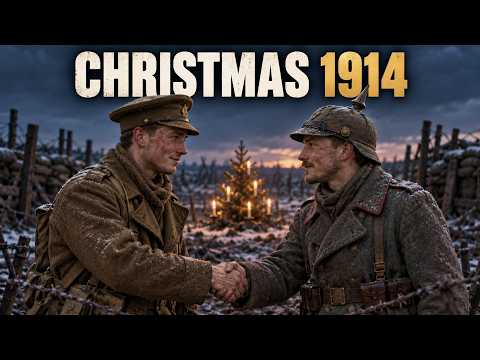
The Christmas Truce
On Christmas 1914, Enemies Climbed Out of the Trenches — to Sing Together
 ▸ Film
Teddy Roosevelt Jr.
56 and Walking With a Cane, Begged to Land in the First Wave of D-Day
 ▸ Film
Franz Stigler
A German Ace Had the Kill — Instead He Flew Wing-to-Wing and Escorted the Enemy Home
 ▸ Film
76 Men Vanished Under the Nazis in One Night — The True Story of the Great Escape
 ▸ Film
Chew-Een Lee
They Said a Chinese Man Couldn't Lead Marines — He Shouted in Mandarin to Hunt Them
 ▸ Film
The Real ‘Dirty Dozen’: They Shaved Mohawks and Jumped Into D-Day to Blow the Bridges
 ▸ Film
Joe Foss
The Marines Said He Was Too Old to Fly Fighters — He Became Their Deadliest Ace
 ▸ Film
Pointe du Hoc
They Scaled a 100-Foot Cliff Under Fire to Destroy 6 Guns — The Guns Weren't There
 ▸ Film
Georg Elser
One Carpenter Built a Bomb by Hand and Came 13 Minutes From Killing Hitler
 ▸ Film
The Great Raid
500 Death March Survivors Were About to Be Executed — Then the Rangers Came
 ▸ Film
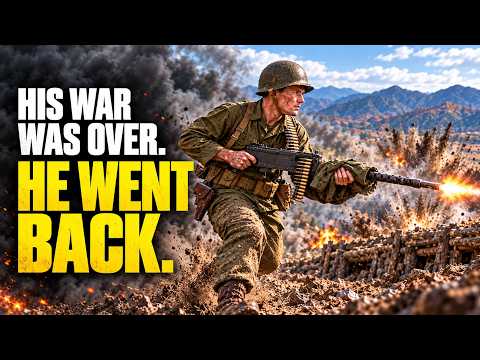
Scooter Burke
He Had a Ticket Home. He Tore It Up, Went Back, and Killed 100 Alone
 ▸ Film
Cleto Rodriguez
Two Riflemen Charged a Japanese Fortress Alone and Killed 82 in 2 Hours
 File 042Article
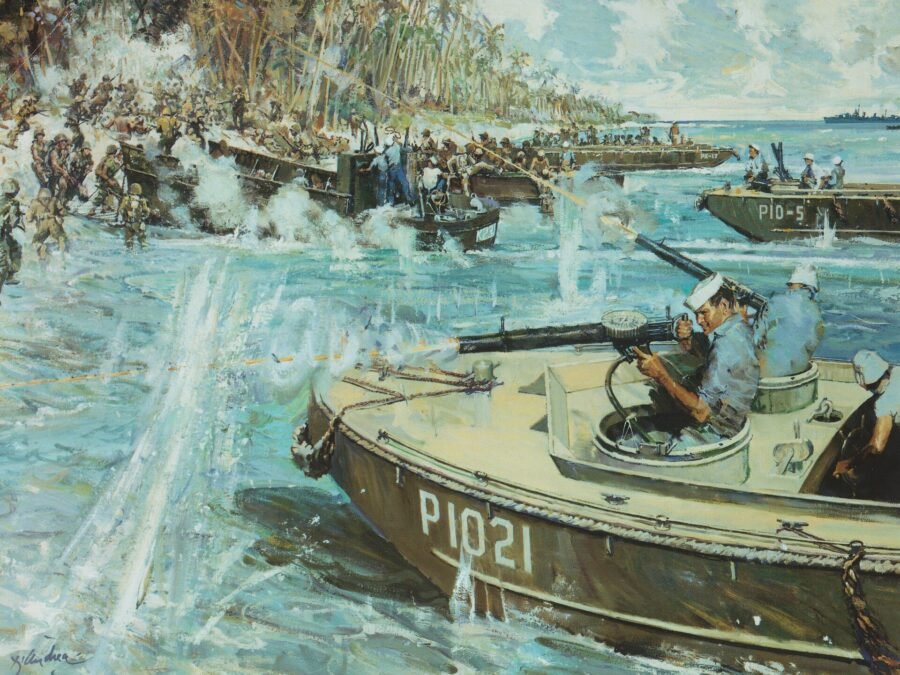
Guadalcanal, Solomon Islands · 1939–1942
“Did They Get Off?”
Douglas Munro joined the Coast Guard because its job was saving lives. On Guadalcanal in September 1942 he steered his landing craft between hundreds of trapped Marines and the Japanese guns so the others could load. Shot as the last boats pulled away, he asked one question before he died. He is the only Coast Guardsman ever awarded the Medal of Honor.
 File 041Article
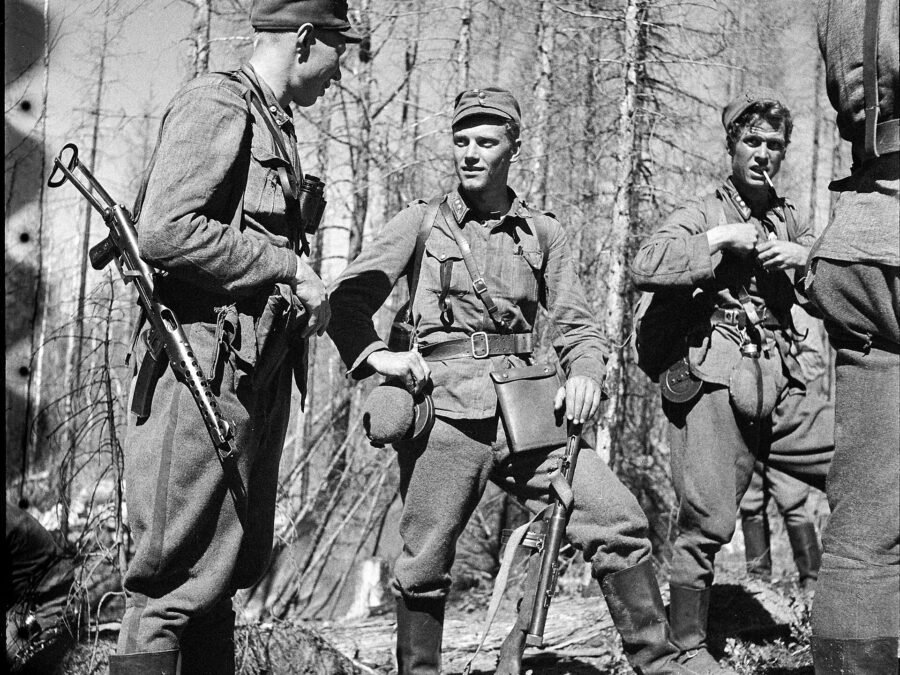
Karelia; later Vietnam · 1939–1965
The Soldier of Three Flags
Lauri Törni fought the Soviet Union for Finland in two wars and won the Mannerheim Cross, then trained with the Waffen-SS and was jailed at home for treason. He escaped to America, joined the Army as Larry Thorne, and became a legend in the Green Berets. He vanished in a helicopter over Vietnam in 1965. His remains came home thirty-four years later.
 File 040Article
Malta · 1942
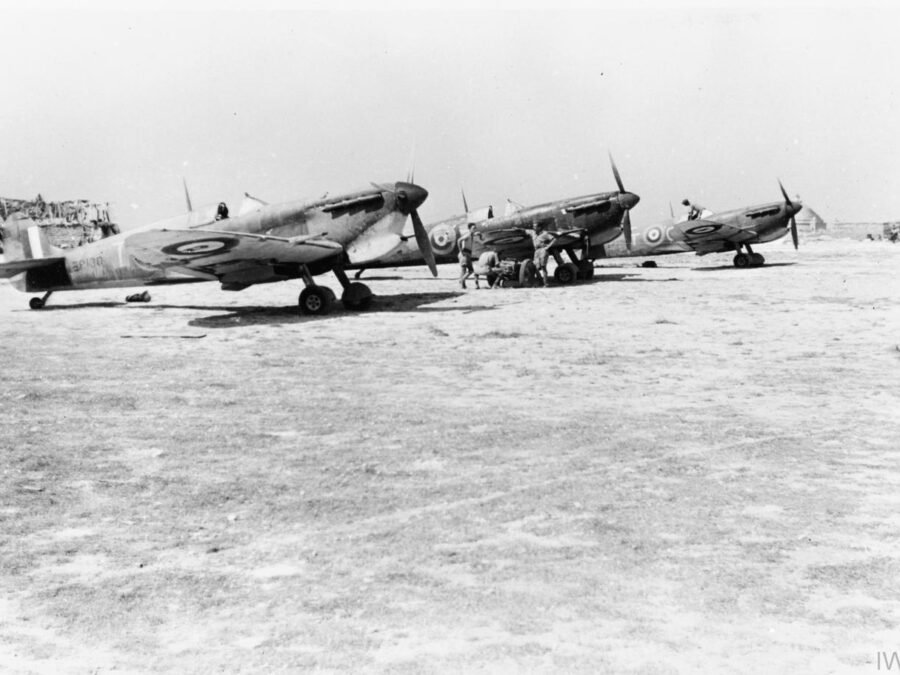
Screwball: The Falcon of Malta
Rejected by the Royal Canadian Air Force for lack of schooling, George “Buzz” Beurling crossed the Atlantic on a convoy to join the RAF. Over besieged Malta in the summer of 1942 he became the deadliest Allied fighter pilot of the campaign. He could not fit into the war’s end, or the peace.
 File 039Article
Iwo Jima · 1942–1945
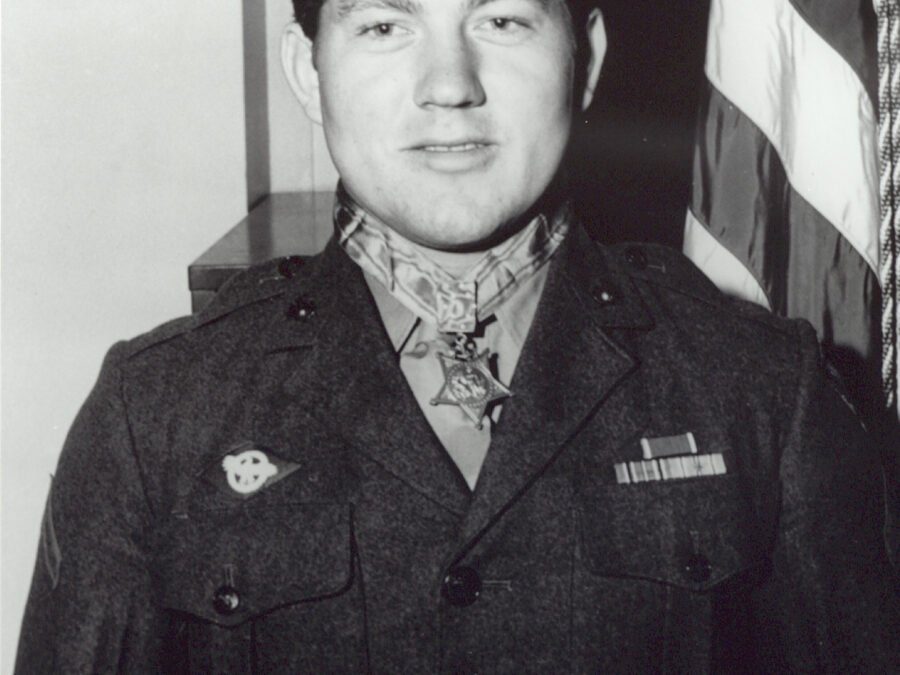
Two Grenades in a Trench
Jack Lucas lied his way into the Marine Corps at fourteen, stowed away on a troopship to reach the fighting, and turned seventeen at sea on the way to Iwo Jima. On his second day ashore he threw himself on two Japanese grenades to save his friends. He became the youngest Marine ever awarded the Medal of Honor.
 File 038Article
Utah Beach, Normandy · 1917–1944
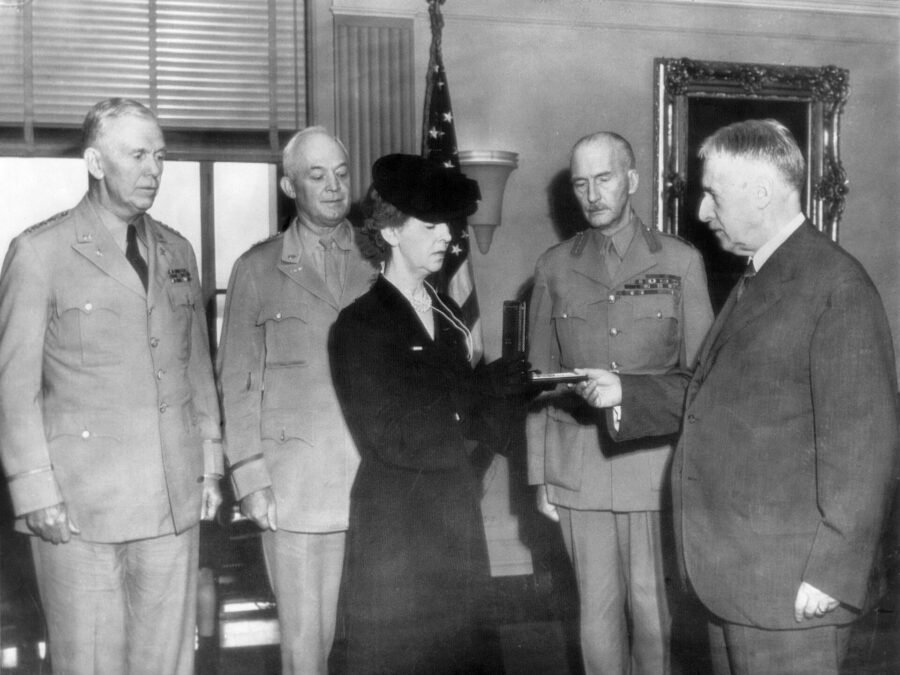
“We’ll Start the War from Right Here”
At fifty-six, with a bad heart and arthritis that made him walk with a cane, Brigadier General Theodore Roosevelt Jr., the eldest son of a president, talked his way into the first wave at Utah Beach. When the landing craft came in a mile off course, he made the decision that saved the day. Five weeks later he was dead.
 File 037Article
Yangtze River; Sumatra · 1936–1946
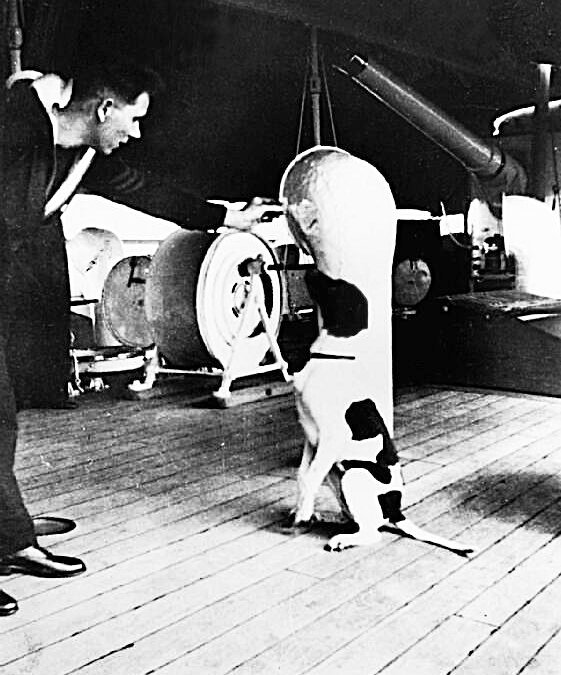
Prisoner 81A: The Dog Called Judy
Judy, a Royal Navy ship’s dog on the Yangtze, survived two sinkings, a crocodile, a jungle trek across Sumatra and three years in Japanese prison camps. A starving airman shared his rice with her and talked a drunken camp commandant into registering her as a prisoner of war: the only dog ever to be one.
 File 036Article
Normandy; Germany; the Oder front · 1944–1945
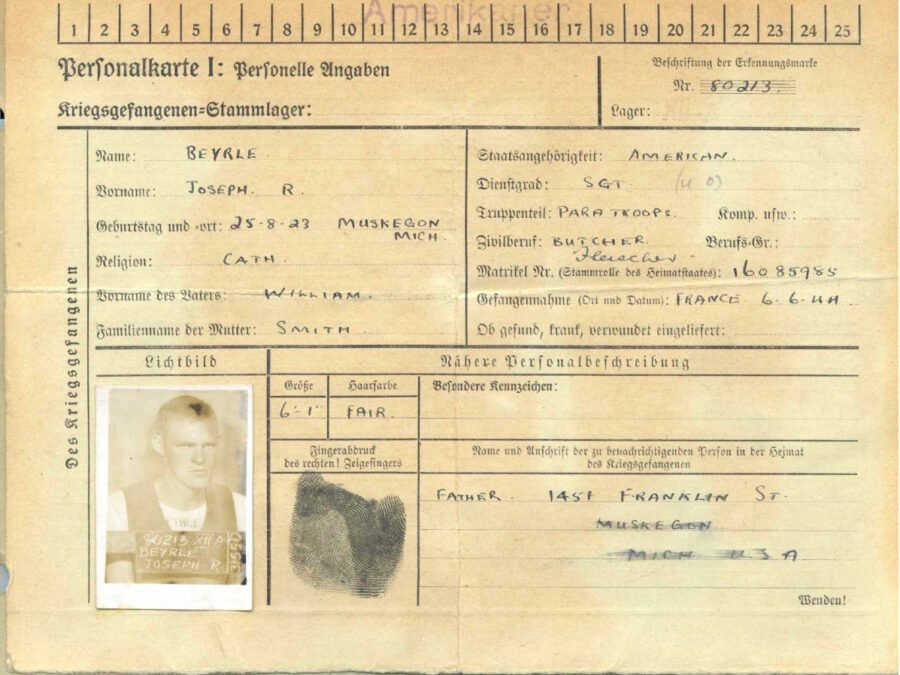
The Paratrooper Who Joined the Red Army
Joe Beyrle jumped into Normandy on D-Day with the 101st Airborne, was captured, escaped from a German prison camp and walked east until he met a Soviet tank battalion. He fought with them towards Berlin. At home he had already been declared dead, and his funeral had been held.
 File 035Article
Off Bougainville; the Gilbert Islands · 1942–1943
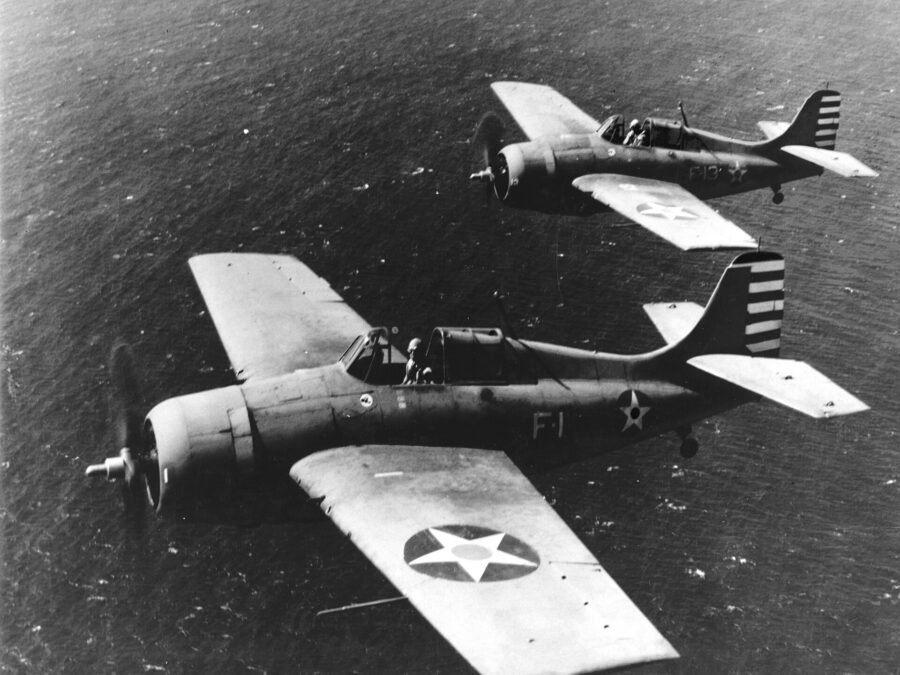
Four Minutes over the Lexington
On 20 February 1942 Lieutenant Butch O’Hare flew alone into a formation of nine Japanese bombers heading for his carrier, USS Lexington, and broke up the attack. He became the Navy’s first Medal of Honor aviator of the war. His father had been murdered for helping to convict Al Capone. Chicago’s airport bears his name.
 File 034Article
Lisbon and London · 1941–1945
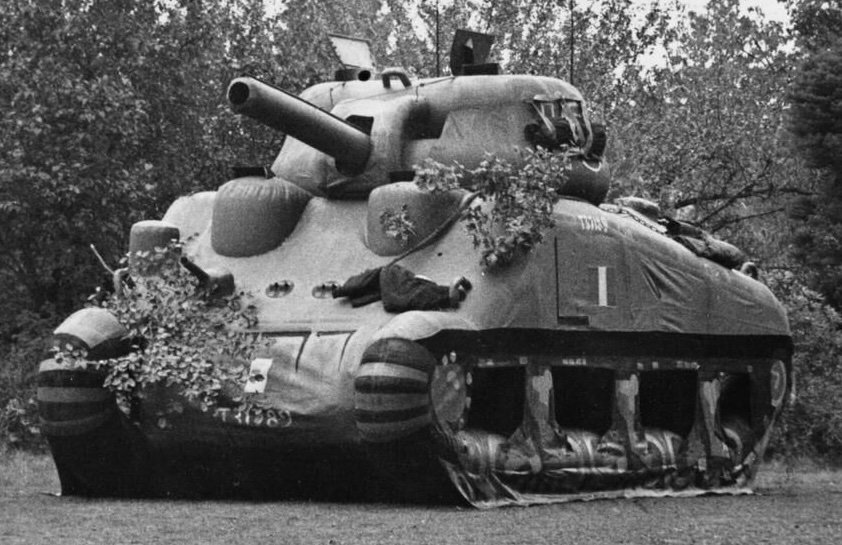
Agent Garbo and the Army That Never Was
Juan Pujol García, a Catalan poultry farmer, invented a network of twenty-seven spies in Britain who did not exist, and fed Hitler’s intelligence service a story so convincing that German divisions sat waiting at Calais for weeks after D-Day. Germany gave him the Iron Cross. Britain gave him the MBE.
 File 033Article
New Guinea and the Philippines · 1942–1945
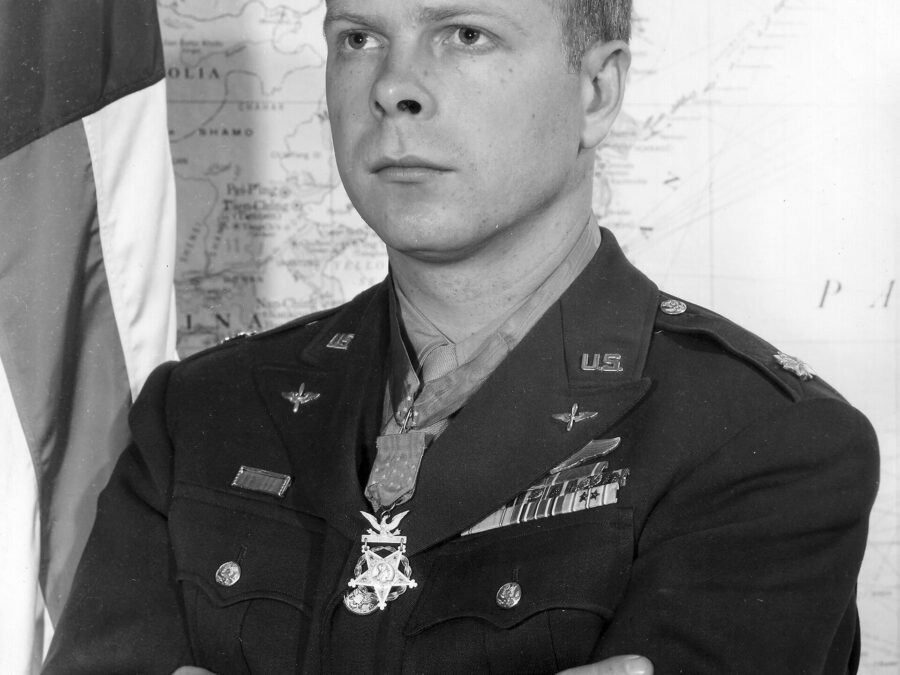
America’s Ace of Aces
A Wisconsin farm boy who once looped the Golden Gate Bridge became the highest-scoring American fighter pilot in history: forty Japanese aircraft, all in a P-38 Lightning. Sent home to safety, he died testing a jet fighter on 6 August 1945, the day the atomic bomb fell on Hiroshima.
 File 032Article
Houssen, Alsace, France · 1942–1945
“Blanket My Position”
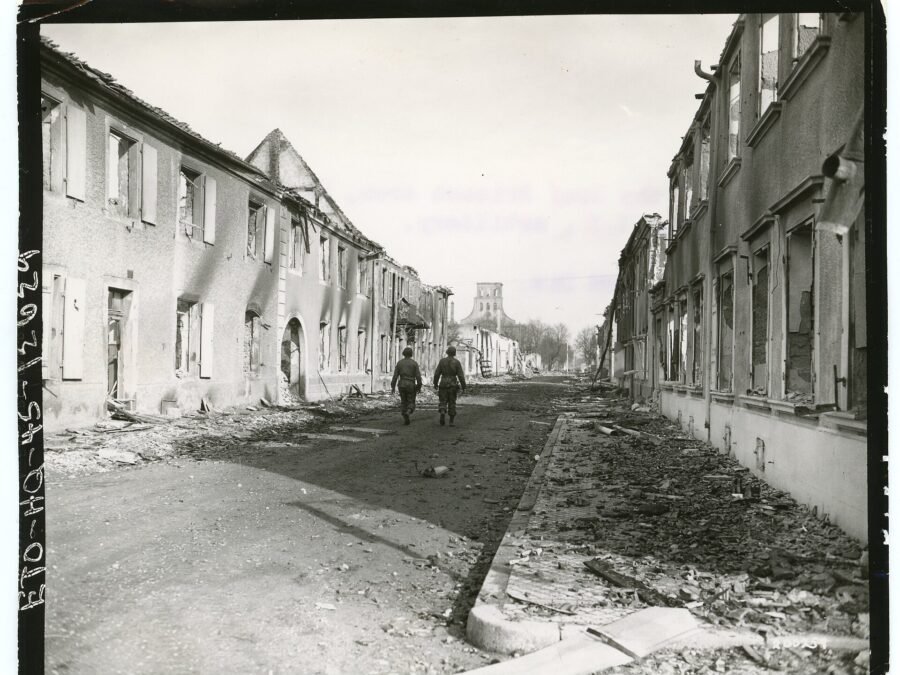
In a frozen ditch in Alsace in January 1945, Lieutenant Garlin Conner called American artillery down on his own position to stop six hundred Germans and six tanks. He went home to a Kentucky farm and never talked about it. It took his widow, a stranger and a twenty-two-year campaign to get him the Medal of Honor, seventy-three years later.