The archive · 130 files · 5 conflicts
Search the record.
Every film and article, indexed by conflict, front, role and year. Search a name, a unit, a place or a file number.
 File 031Article
Germany · 1943–1946
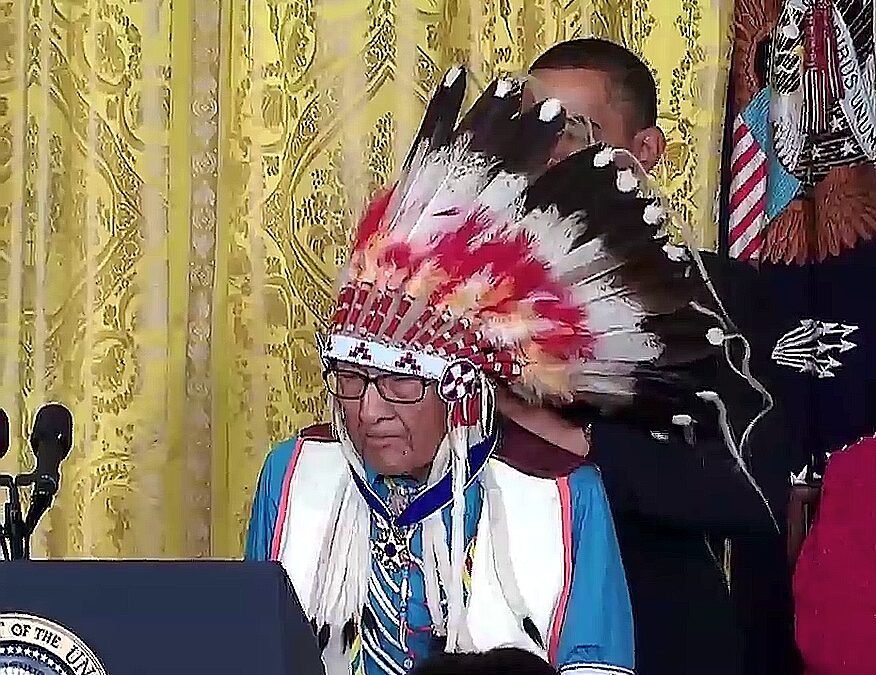
The Last War Chief of the Crow
Joseph Medicine Crow went to war in 1944 with red paint on his arms under his uniform and an eagle feather in his helmet. In Germany he completed the four deeds a Crow warrior needed to become a war chief, ending with fifty horses taken from the SS. He lived to be 102, the tribe’s historian and its last war chief.
 File 030Article
Itter, Tyrol, Austria · 4–5 May 1945
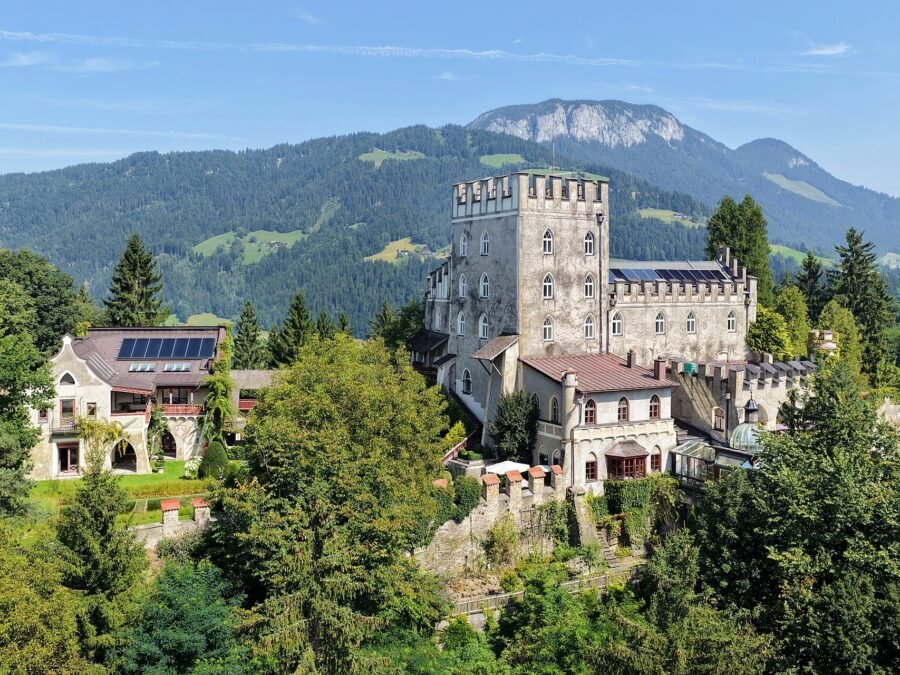
The Battle for Castle Itter
Five days after Hitler’s death, in a castle in the Austrian Alps, American tank crews, German Army soldiers, a converted SS officer and a group of famous French prisoners, including two former prime ministers and a tennis champion, fought side by side against the Waffen-SS.
 File 029Article
Persia, Italy and Scotland · 1942–1947
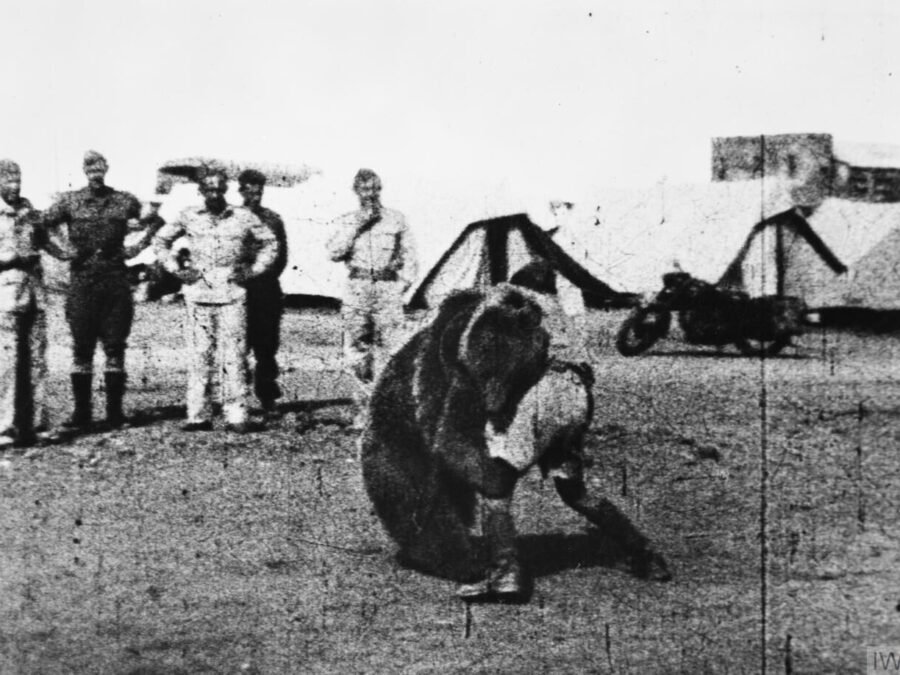
Corporal Wojtek of the 22nd Company
Polish soldiers freed from Soviet camps bought an orphaned bear cub on a road in Persia in 1942. He grew up drinking beer and wrestling with the men, was enlisted as a private so he could sail to Italy, and, his company said, carried shells at Monte Cassino. He ended his days in Edinburgh Zoo, listening for Polish voices.
 File 028Article
Western Front, France · 1917–1919
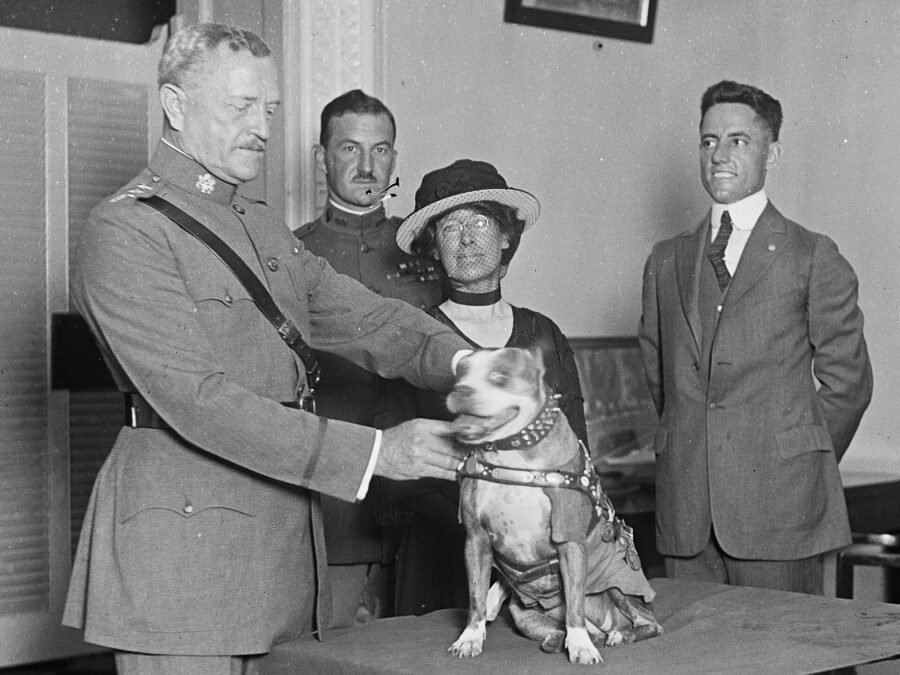
The Stray from the Yale Bowl
A brindle stray wandered into an Army training camp in Connecticut in 1917, was smuggled to France, and spent eighteen months in the trenches with the 102nd Infantry. He was gassed and wounded, and came home a celebrity. General Pershing pinned a medal on him. His rank of sergeant was never official, but nobody in the regiment argued.
 File 027Article
Libya and Egypt; later Sicily, France and Germany · 1941–1945
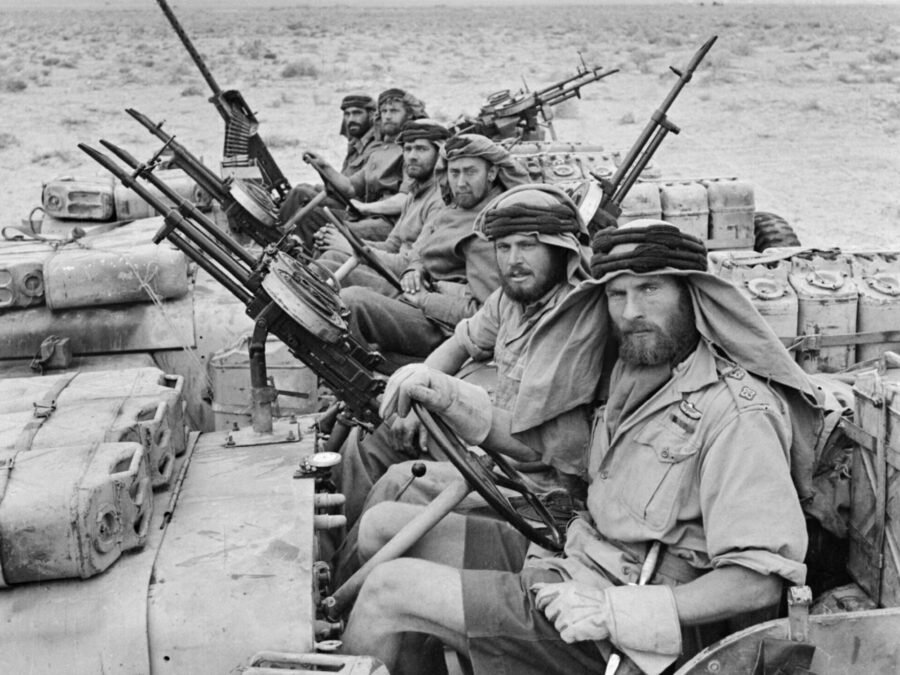
The Lion of the Desert Raids
An Irish rugby international and Lions forward, Blair “Paddy” Mayne helped found the SAS and led its raids on German airfields in the desert. He finished the war with four Distinguished Service Orders. The Victoria Cross he was recommended for in 1945 was never given, and people are still arguing about why.
 File 026Article
Crete and the Western Desert · 1941–1942
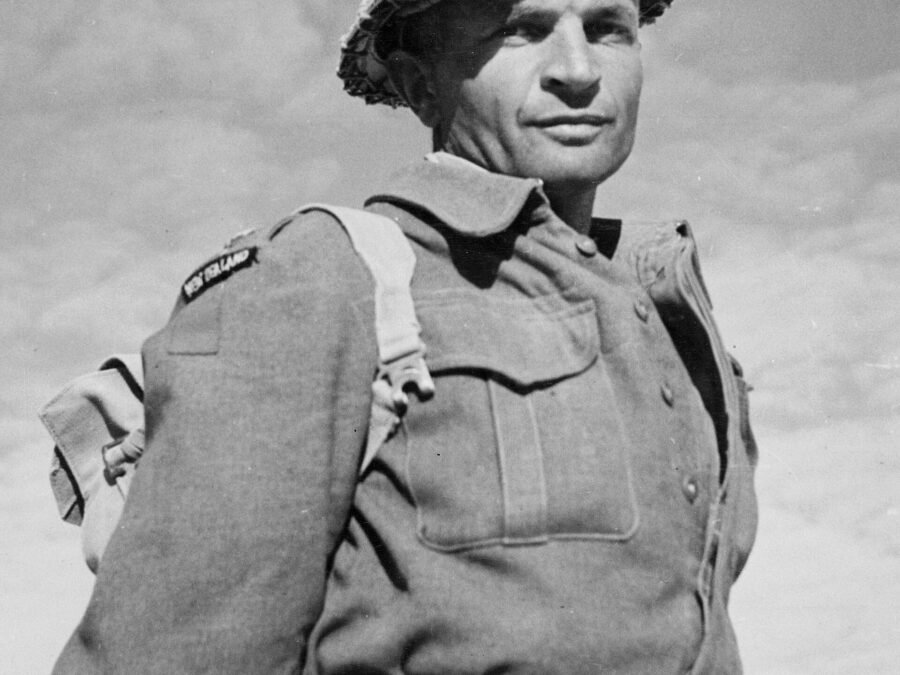
Twice the Victoria Cross
A shy New Zealand sheep farmer who did not want a medal won the Victoria Cross twice: on Crete in 1941 and on Ruweisat Ridge in 1942. No other fighting soldier has done it. Then he spent three years trying to escape from German prison camps.
 File 025Article
Solomon Islands and Rabaul · 1941–1945
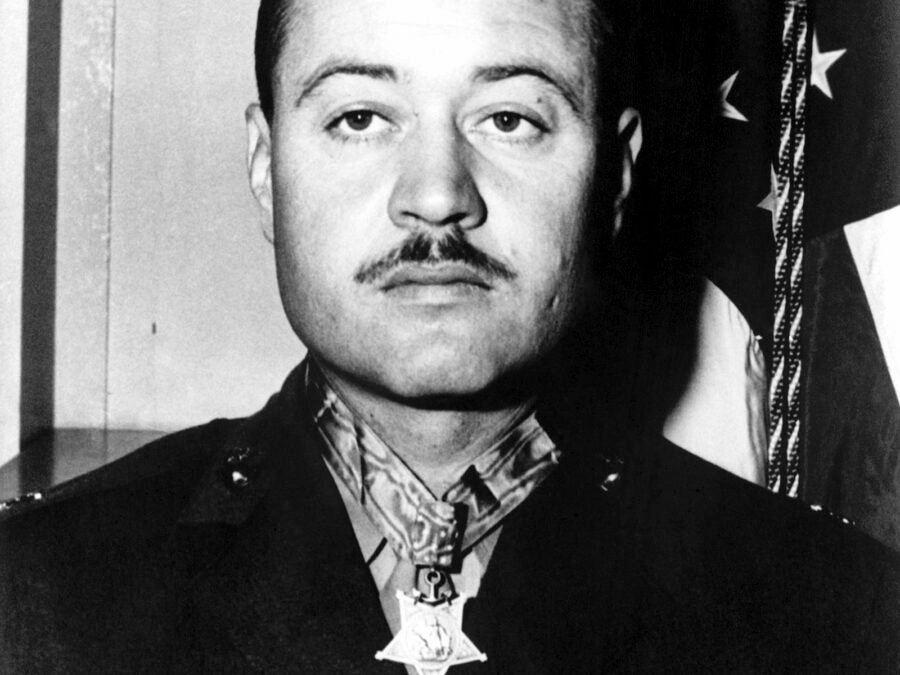
The Black Sheep Who Came Back
Gregory “Pappy” Boyington brawled, drank and argued his way through the peacetime Marine Corps and the Flying Tigers. In the Solomons he led a squadron of misfits to fame, equalled the American record, and vanished over Rabaul. He was given the Medal of Honor as a dead man. Twenty months later he walked out of a Japanese prison camp.
 File 024Article
Iwo Jima · 1942–1945
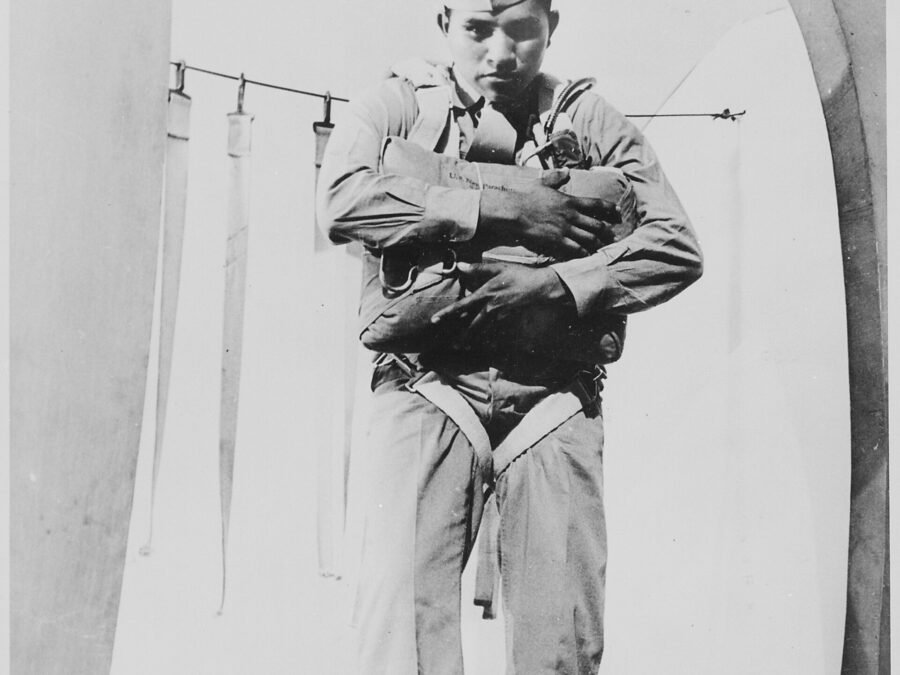
The Pima Marine on Suribachi
Ira Hayes, a quiet Pima from the Gila River reservation, helped raise the flag in the most famous photograph of the war. Then his country turned him into a symbol he never wanted to be. He hitchhiked 1,300 miles to tell one grieving mother the truth.
 File 023Article
Tokyo and the East China Sea · 1942
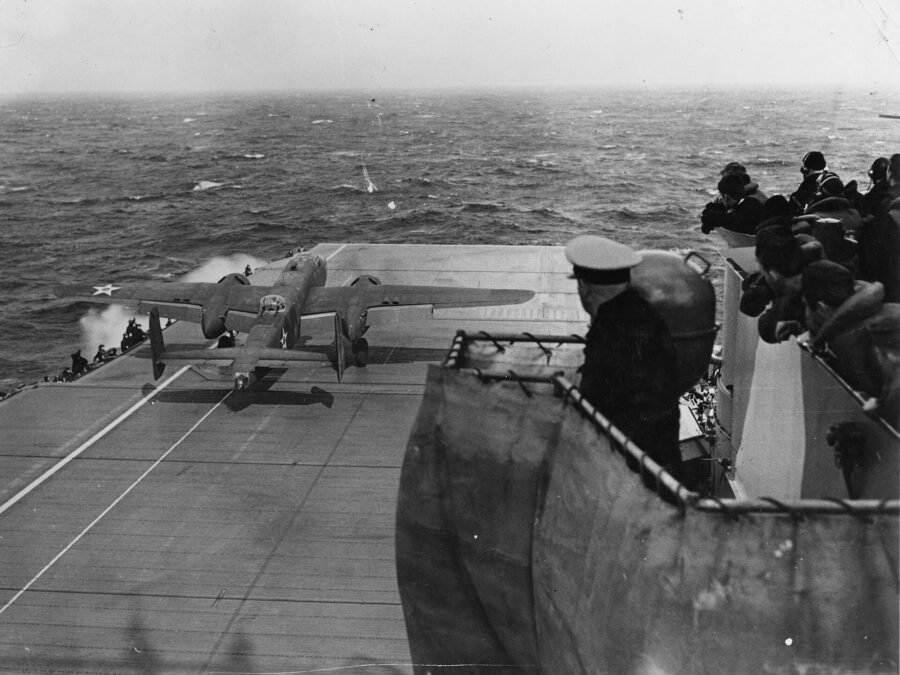
Sixteen Bombers, One Way
Four months after Pearl Harbor, Jimmy Doolittle led sixteen Army bombers off the deck of a Navy carrier to strike Japan, knowing they could not come back. He crash-landed in a Chinese rice paddy convinced he would be court-martialled. Instead he was given the Medal of Honor.
 File 022Article
Near Da Nang, South Vietnam · 1966–1969
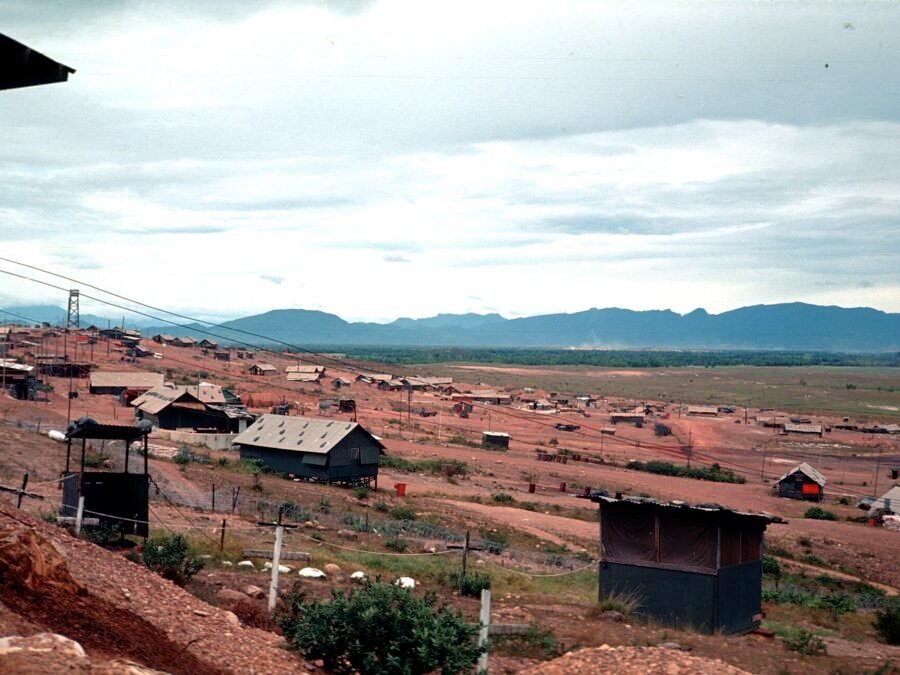
The White Feather of Hill 55
Carlos Hathcock wore a white feather in his hat so the enemy would know who he was. North Vietnam put a bounty on him. The most famous Marine sniper of the Vietnam War was finally stopped not by a bullet but by a mine, and he won his Silver Star pulling men out of the fire.
 File 021Article
Occupied France · 1941–1944
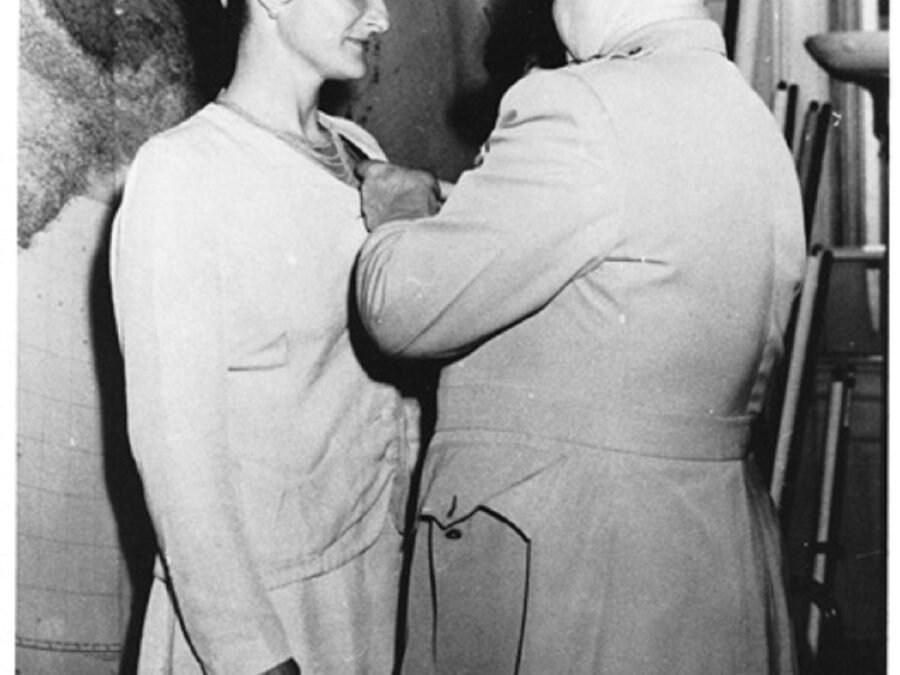
The Limping Lady of Lyon
Turned down by the State Department because she had lost a leg, Virginia Hall became one of the most effective Allied agents in occupied France. The Germans hunted “the limping lady” for years. They never caught her.
 File 013Article
Korea · 1952–1954
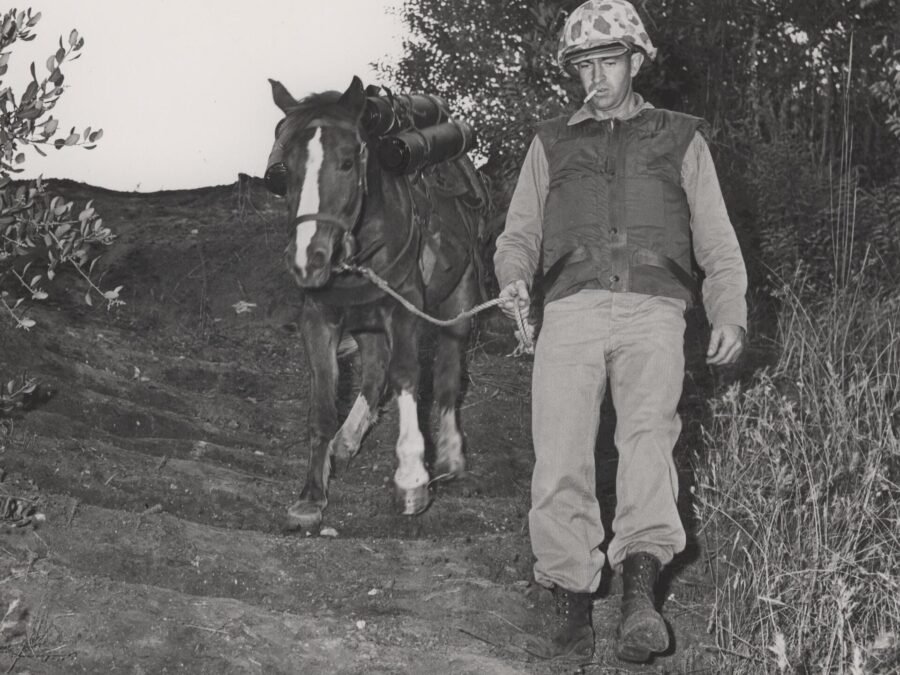
Fifty-One Trips Through the Fire
Bought for $250 from a Korean stable boy, a small chestnut mare carried ammunition for a Marine recoilless-rifle platoon. In a single day at Outpost Vegas she made fifty-one trips to the guns, most of them alone.
 File 010Article
Holtzwihr, France · 1943–1945
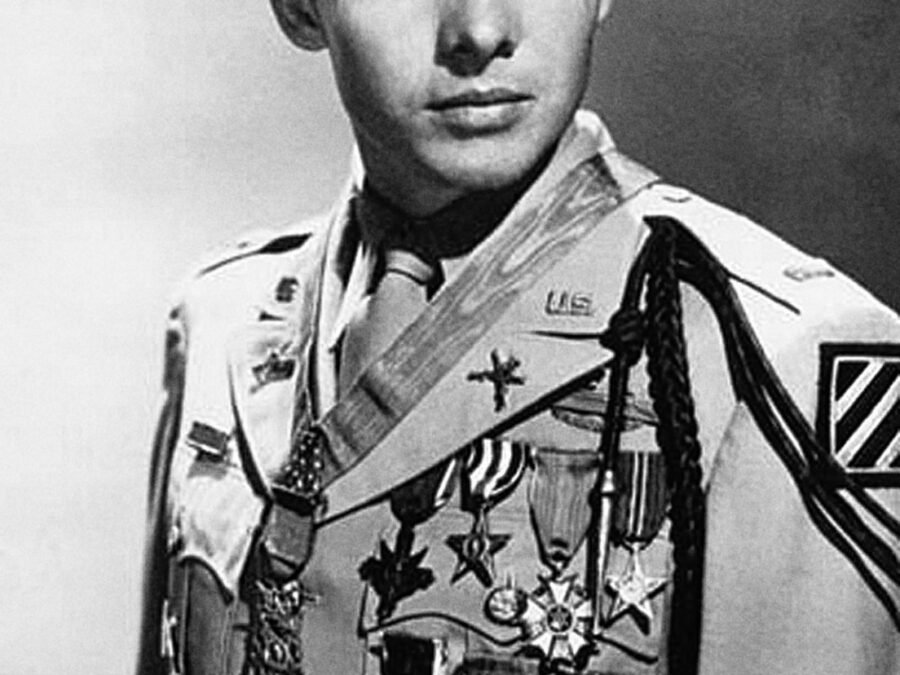
The Burning Tank at Holtzwihr
Audie Murphy was turned away by the Marines for being too small. On 26 January 1945, standing on a burning tank destroyer in eastern France, he held off a German attack for an hour.
 File 020Article
Pearl Harbor · 1941–1943
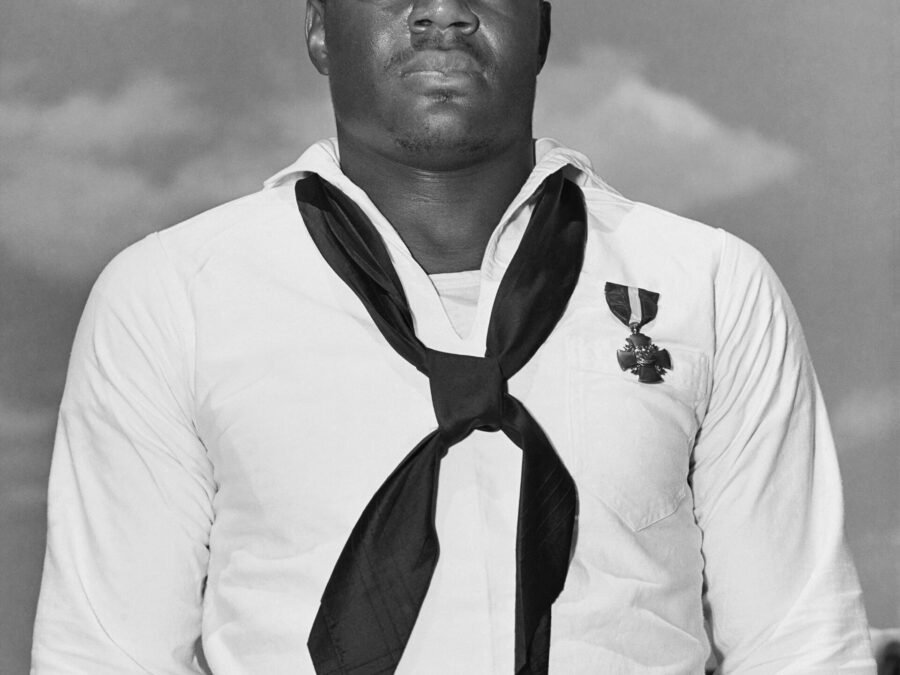
The Mess Attendant at Pearl Harbor
The Navy of 1941 would only let Doris Miller cook, clean and wait tables. When Japanese aircraft struck Pearl Harbor, he carried his dying captain to cover and then fired an anti-aircraft gun he had never been trained to use.
 File 019Article
Iwo Jima · February 1945
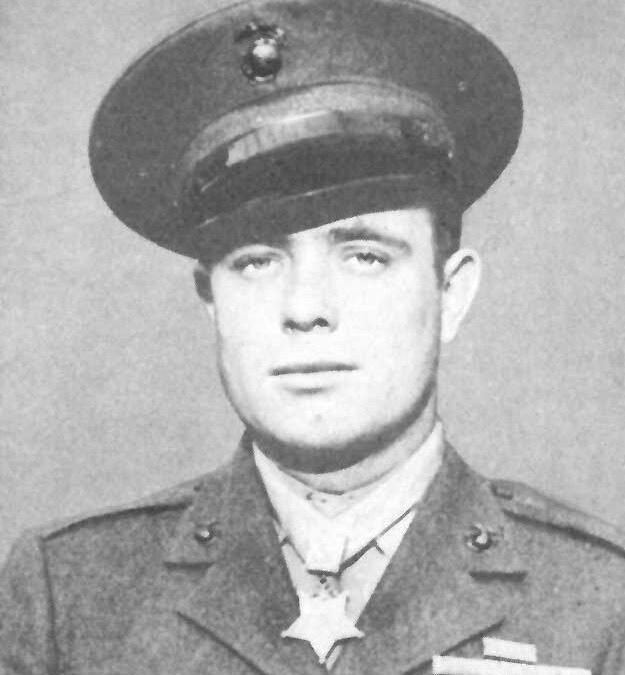
Four Hours with a Flamethrower
Turned away by the Marines for being too short, Woody Williams landed on Iwo Jima in February 1945 carrying a seventy-pound flamethrower. For four hours he went pillbox to pillbox while his covering riflemen fell.
 File 018Article
Kollaa, Karelia · Winter 1939–1940
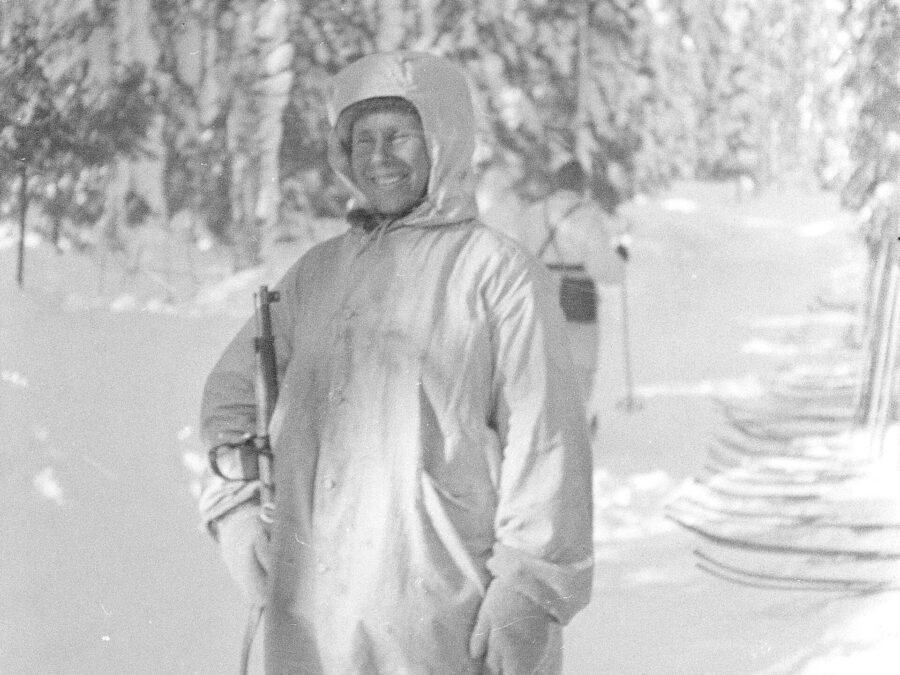
A Hundred Days at Kollaa
In the Winter War of 1939–40, a quiet Finnish farmer with an iron-sighted rifle held a stretch of front at Kollaa against the Red Army. How many men he killed is still argued over. He called his own tally his list of sins.
 File 017Article
Marseille · Auvergne · 1940–1944
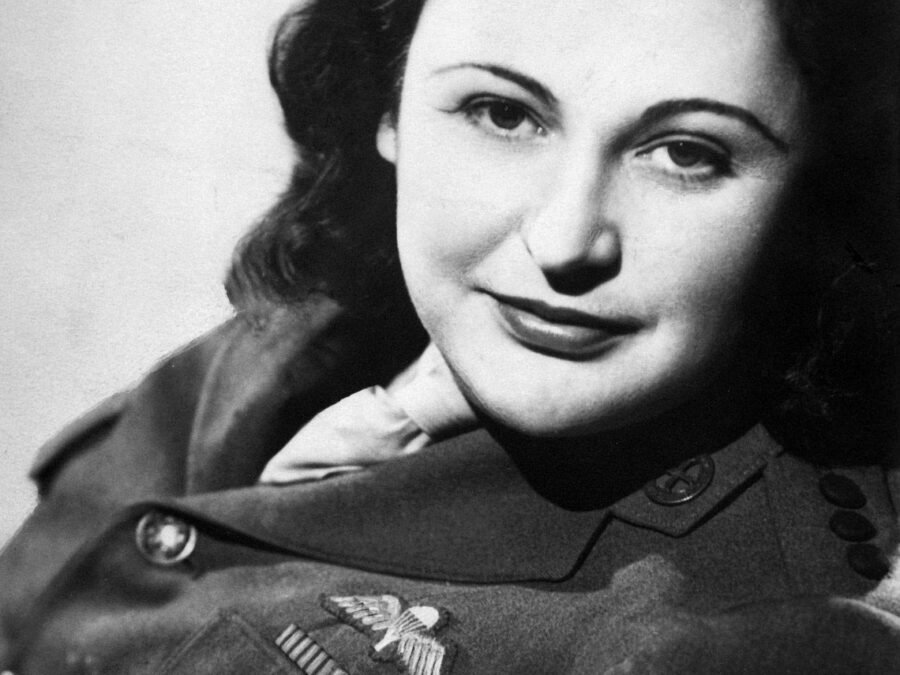
The White Mouse
A runaway from Sydney became a journalist in Paris, smuggled Allied airmen out of France, and parachuted back in 1944 to arm thousands of French resistance fighters. The Gestapo never caught her.
 File 016Article
Warsaw · 1939–1945
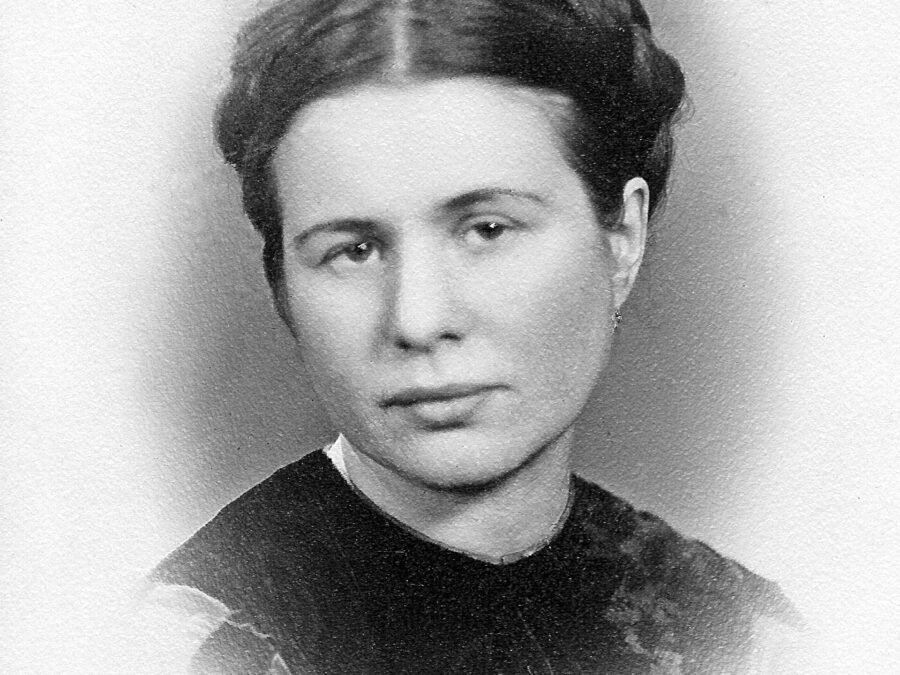
The Names in the Jars
A Warsaw social worker used a pass for typhus inspections to get into the ghetto, and led a network of women that smuggled Jewish children out. She wrote their real names on lists and buried them in jars.
 File 015Article
Netherlands · Korea · 1944–1951
The One-Eyed Ghost of Zwolle
Léo Major lost an eye days after D-Day and refused to go home. In April 1945 he walked into the occupied Dutch city of Zwolle alone. By morning the Germans had gone. How much of that was his doing is still argued about.
 File 014Article
Haiti · Nicaragua · Pacific · Korea · 1918–1955
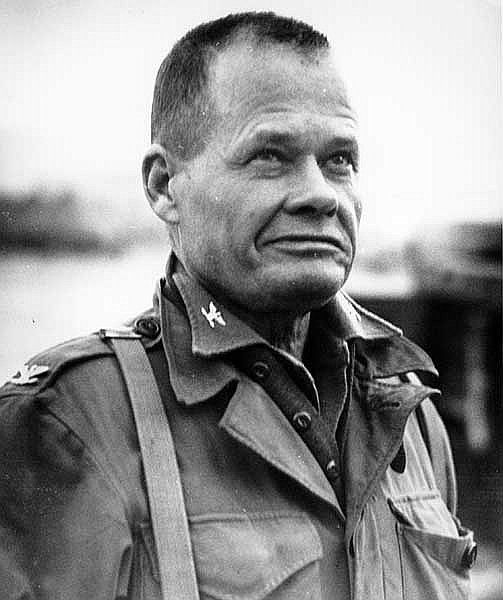
Five Navy Crosses
Lewis “Chesty” Puller fought in the jungles of Haiti and Nicaragua, on Guadalcanal and Peleliu, and in the frozen hills of Korea. He is the most decorated Marine in American history.
 File 011Article
Argonne, France · 1918
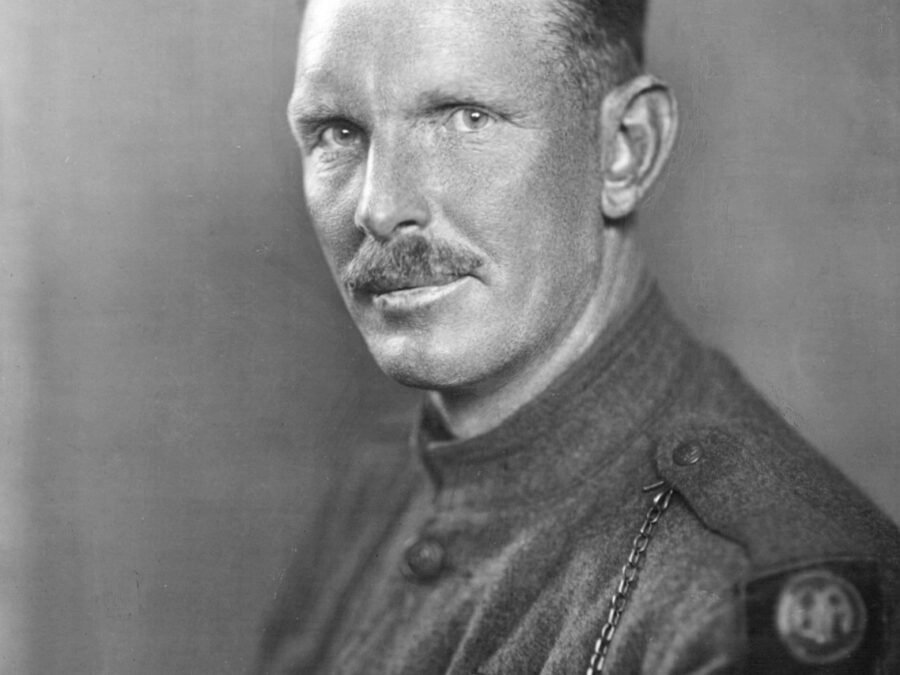
Sergeant York’s Seventeen
A Tennessee blacksmith’s son who had asked not to fight led the survivors of a seventeen-man patrol in the Argonne on 8 October 1918. By the end of the morning they had more than a hundred prisoners.
 File 012Article
Okinawa · 1944–1945
Lord, Help Me Get One More
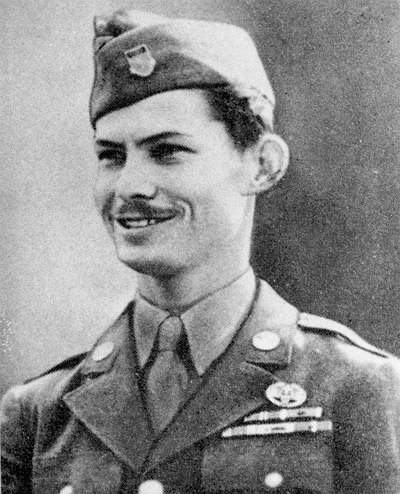
Desmond Doss refused to carry a rifle. On a cliff on Okinawa he lowered wounded men down a rope one at a time, and became the first conscientious objector to receive the Medal of Honor.
 File 009Article
Chu Lai, South Vietnam · 1969
Ward Four, Chu Lai
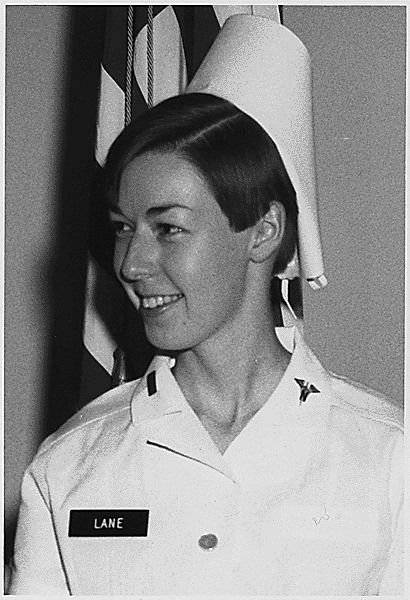
First Lieutenant Sharon Lane cared for Vietnamese patients at an evacuation hospital. She was the only American servicewoman killed by enemy fire in the Vietnam War.
 File 008Article
Chosin Reservoir, Korea · December 1950
Tell Daisy I Love Her
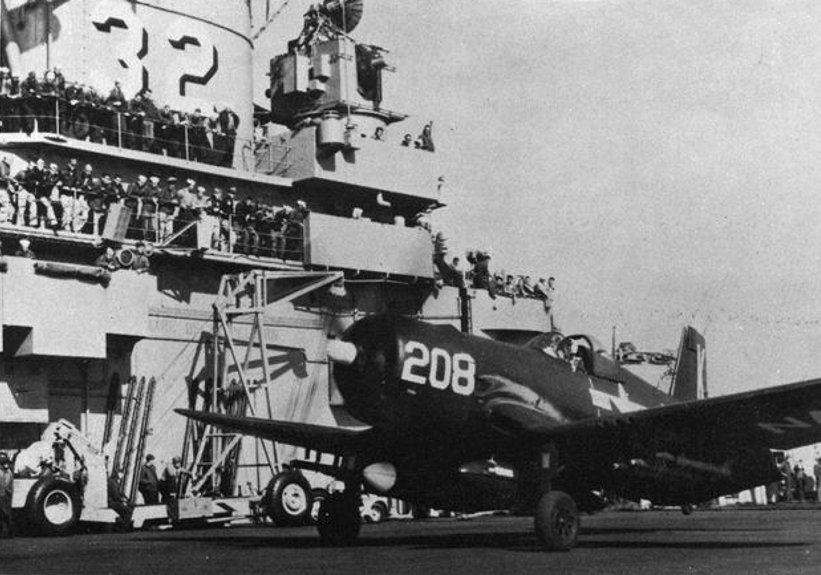
Ensign Jesse Brown, the first African American to complete the Navy’s flight training, was shot down near the Chosin Reservoir in December 1950. His wingman crash-landed beside him on purpose.