The archive · 130 files · 5 conflicts
Search the record.
Every film and article, indexed by conflict, front, role and year. Search a name, a unit, a place or a file number.
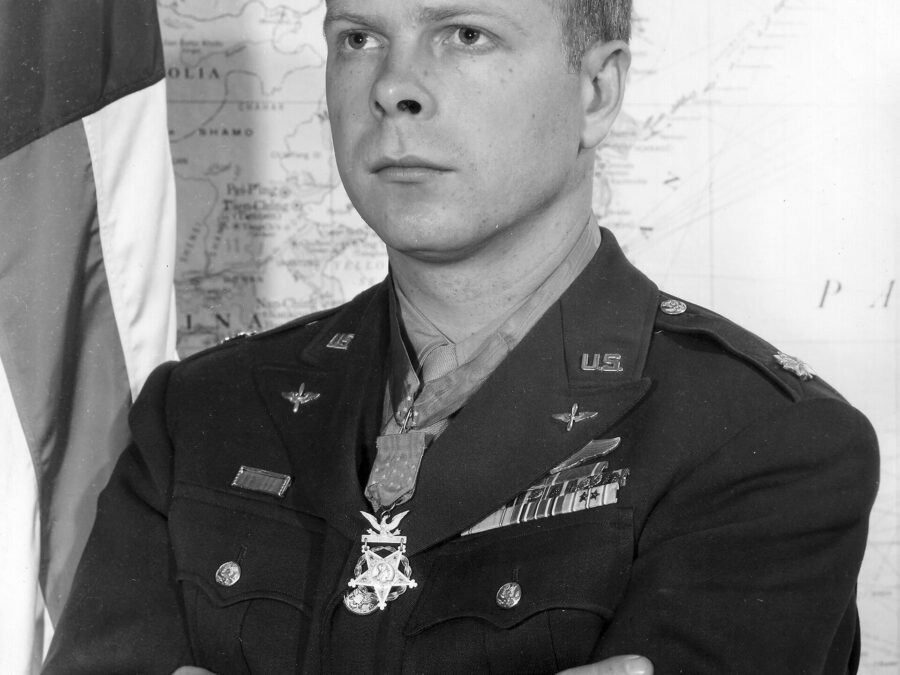 File 033Article
New Guinea and the Philippines · 1942–1945
America’s Ace of Aces
A Wisconsin farm boy who once looped the Golden Gate Bridge became the highest-scoring American fighter pilot in history: forty Japanese aircraft, all in a P-38 Lightning. Sent home to safety, he died testing a jet fighter on 6 August 1945, the day the atomic bomb fell on Hiroshima.
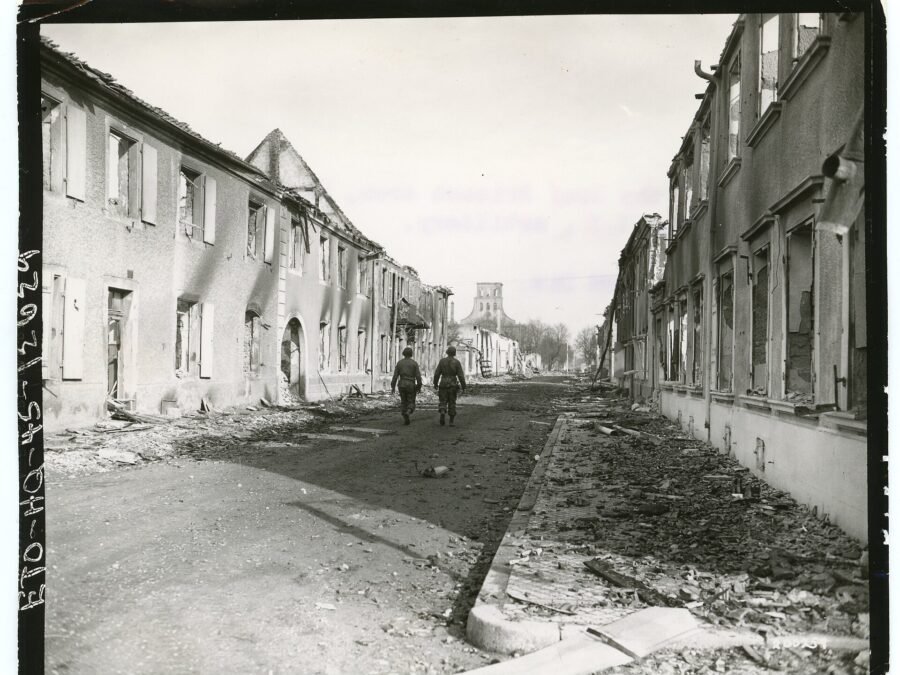 File 032Article
Houssen, Alsace, France · 1942–1945
“Blanket My Position”
In a frozen ditch in Alsace in January 1945, Lieutenant Garlin Conner called American artillery down on his own position to stop six hundred Germans and six tanks. He went home to a Kentucky farm and never talked about it. It took his widow, a stranger and a twenty-two-year campaign to get him the Medal of Honor, seventy-three years later.
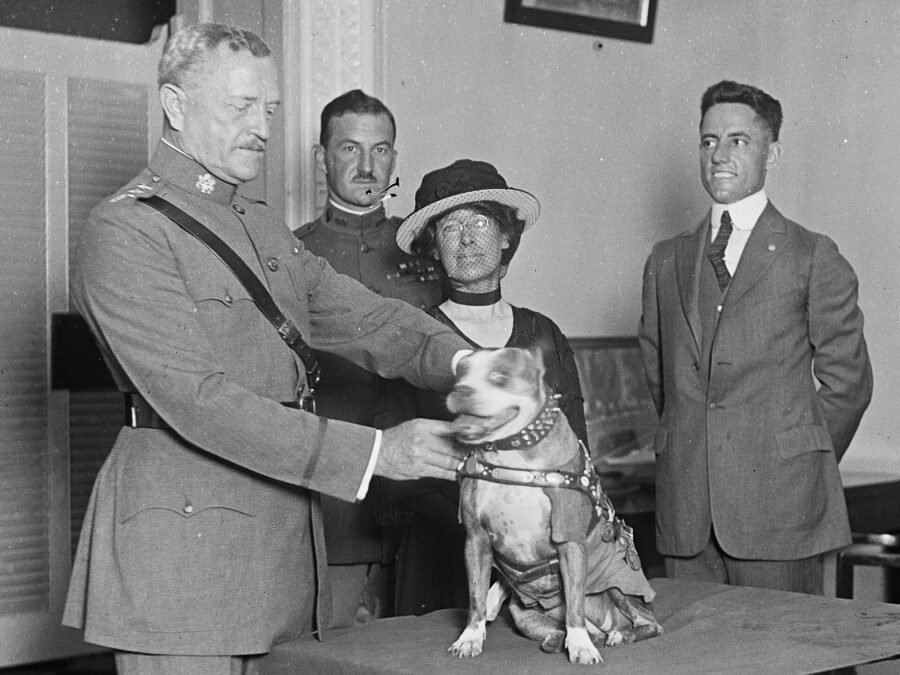 File 028Article
Western Front, France · 1917–1919
The Stray from the Yale Bowl
A brindle stray wandered into an Army training camp in Connecticut in 1917, was smuggled to France, and spent eighteen months in the trenches with the 102nd Infantry. He was gassed and wounded, and came home a celebrity. General Pershing pinned a medal on him. His rank of sergeant was never official, but nobody in the regiment argued.
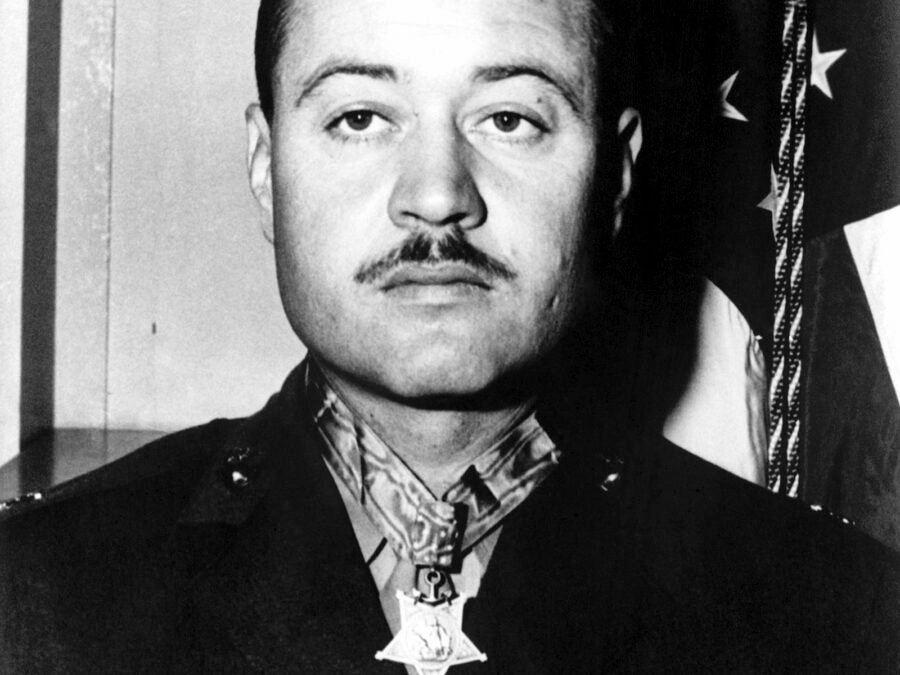 File 025Article
Solomon Islands and Rabaul · 1941–1945
The Black Sheep Who Came Back
Gregory “Pappy” Boyington brawled, drank and argued his way through the peacetime Marine Corps and the Flying Tigers. In the Solomons he led a squadron of misfits to fame, equalled the American record, and vanished over Rabaul. He was given the Medal of Honor as a dead man. Twenty months later he walked out of a Japanese prison camp.
 File 024Article
Iwo Jima · 1942–1945
The Pima Marine on Suribachi
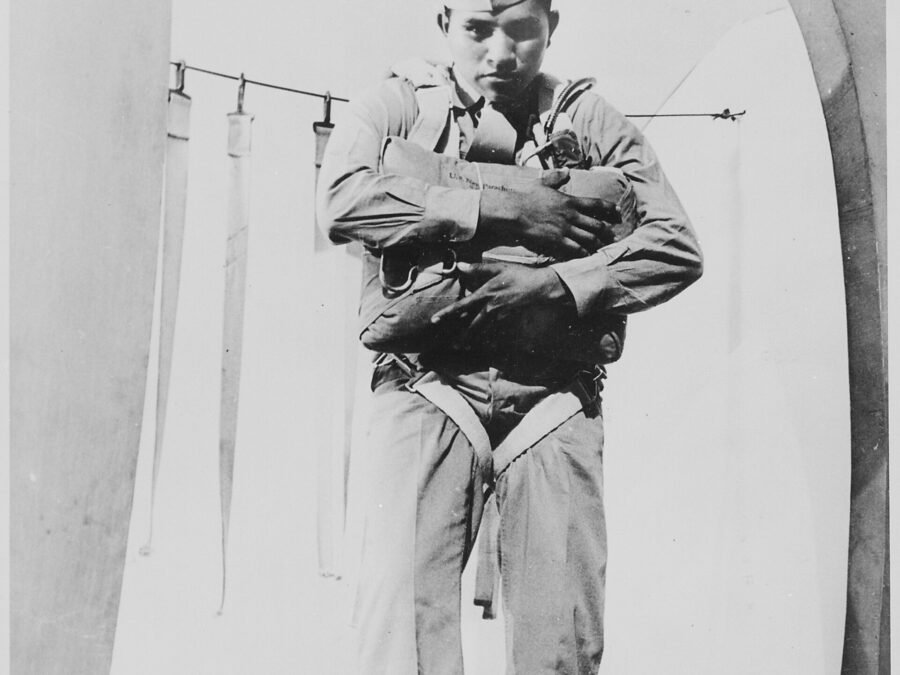
Ira Hayes, a quiet Pima from the Gila River reservation, helped raise the flag in the most famous photograph of the war. Then his country turned him into a symbol he never wanted to be. He hitchhiked 1,300 miles to tell one grieving mother the truth.
 File 023Article
Tokyo and the East China Sea · 1942
Sixteen Bombers, One Way
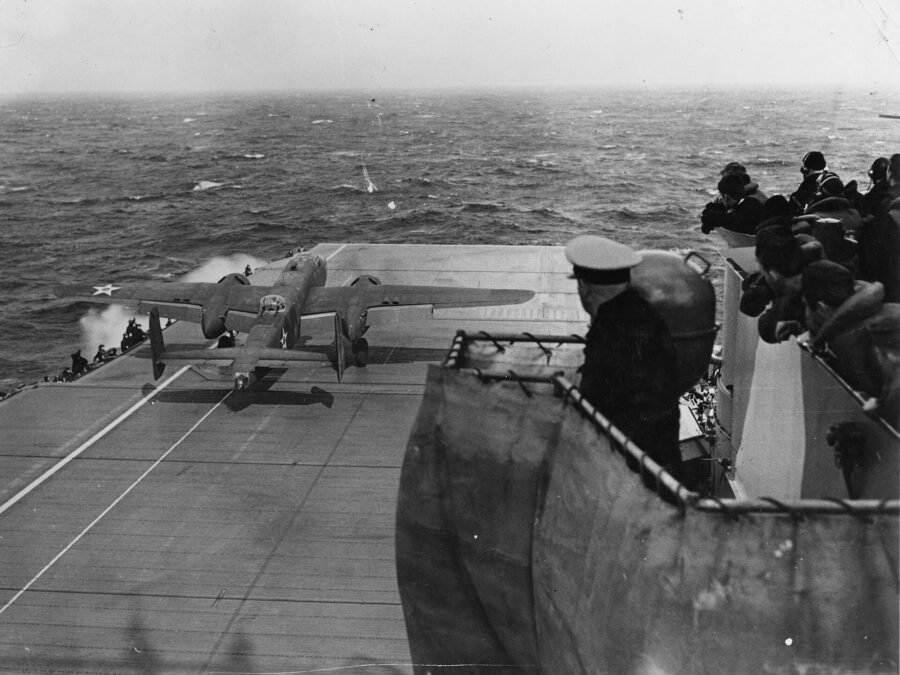
Four months after Pearl Harbor, Jimmy Doolittle led sixteen Army bombers off the deck of a Navy carrier to strike Japan, knowing they could not come back. He crash-landed in a Chinese rice paddy convinced he would be court-martialled. Instead he was given the Medal of Honor.
 File 014Article
Haiti · Nicaragua · Pacific · Korea · 1918–1955
Five Navy Crosses
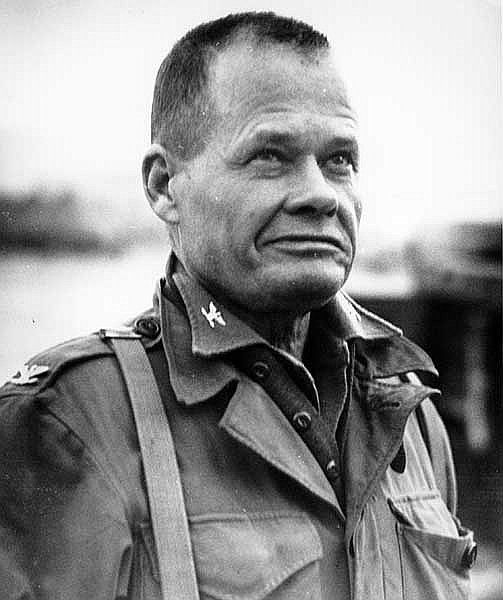
Lewis “Chesty” Puller fought in the jungles of Haiti and Nicaragua, on Guadalcanal and Peleliu, and in the frozen hills of Korea. He is the most decorated Marine in American history.
 File 011Article
Argonne, France · 1918
Sergeant York’s Seventeen
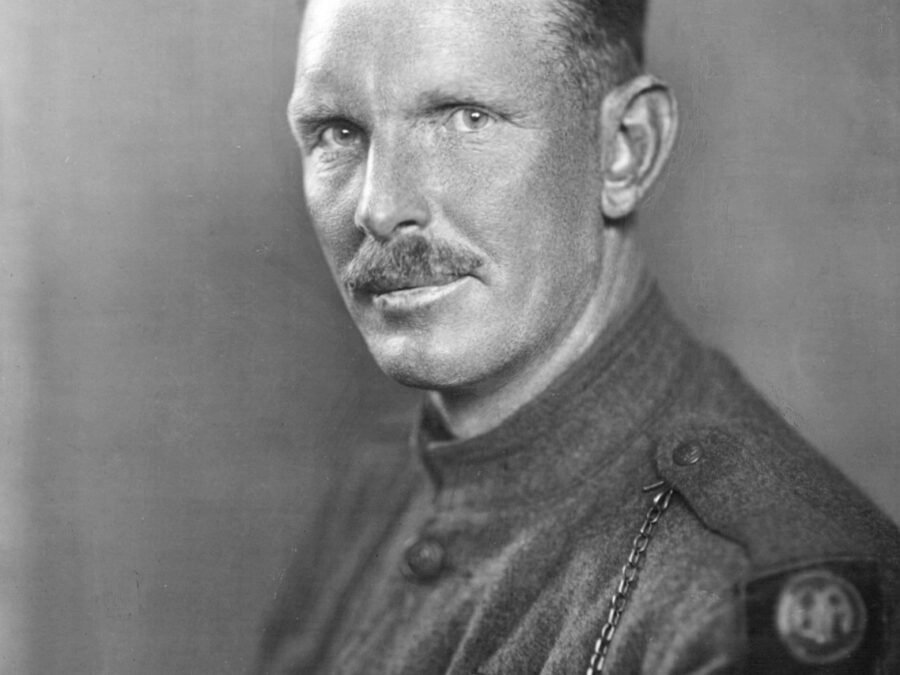
A Tennessee blacksmith’s son who had asked not to fight led the survivors of a seventeen-man patrol in the Argonne on 8 October 1918. By the end of the morning they had more than a hundred prisoners.
 File 007Article
Serbia · Macedonia · 1914–1922
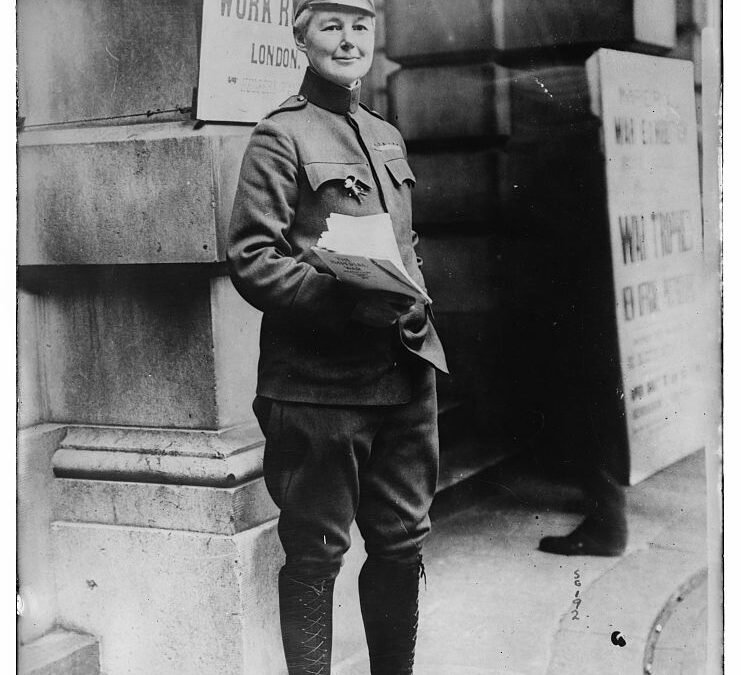
Sergeant Major Sandes
A clergyman’s daughter from Yorkshire went to Serbia in 1914 as a volunteer nurse and came home a decorated infantry officer, the only British woman known to have served as a soldier in the First World War.
 File 006Article
Argonne, France · May 1918
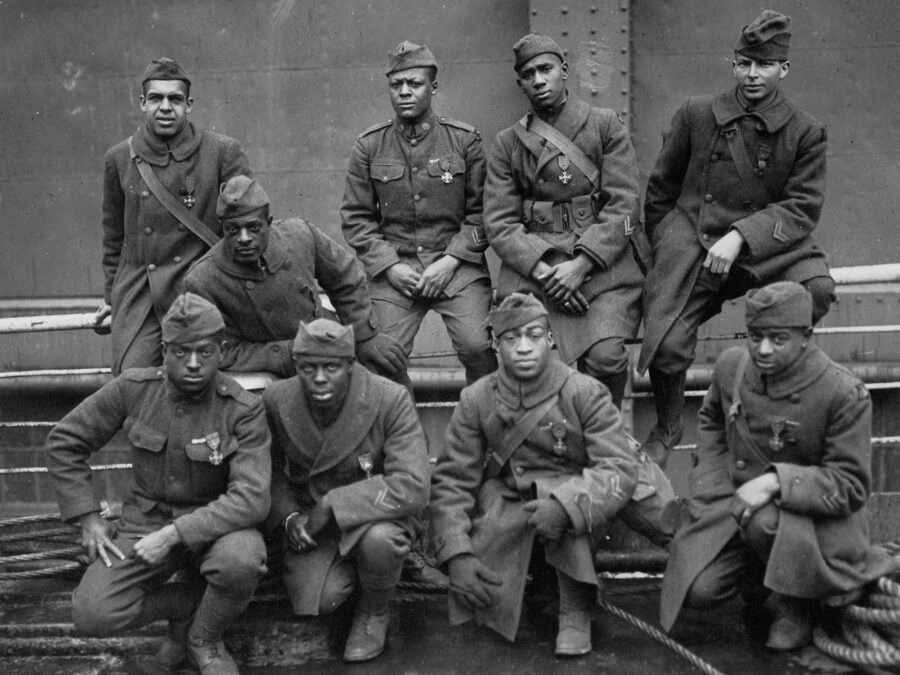
The Sentry Post in the Argonne
On sentry duty in the Argonne in May 1918, Private Henry Johnson of the Harlem Hellfighters fought off a German raiding party with grenades, a rifle butt and a knife. It took the United States ninety-seven years to give him its highest honour.
 File 003Article
Belgium · France · Spain · 1941–1943
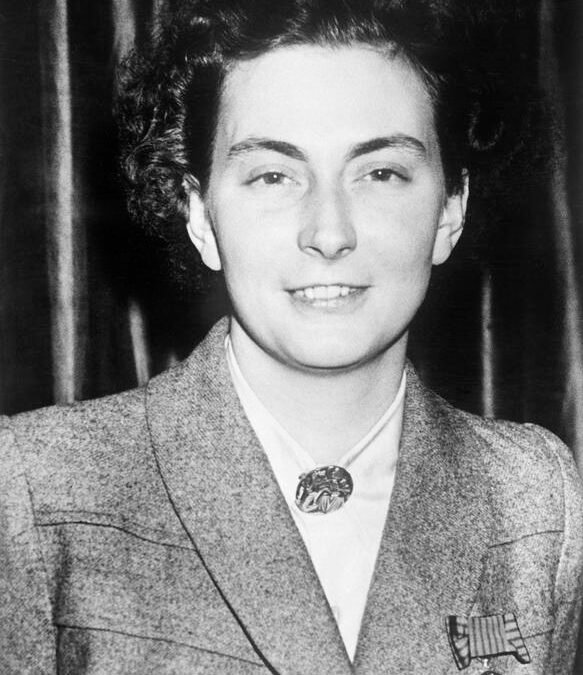
Dédée and the Line Through the Pyrenees
At twenty-four, Andrée de Jongh walked a British soldier from Brussels to Spain and then talked the British into funding her. The Comet Line she built brought more than seven hundred Allied servicemen home.