The archive · 130 files · 5 conflicts
Search the record.
Every film and article, indexed by conflict, front, role and year. Search a name, a unit, a place or a file number.
 File 038Article
Utah Beach, Normandy · 1917–1944
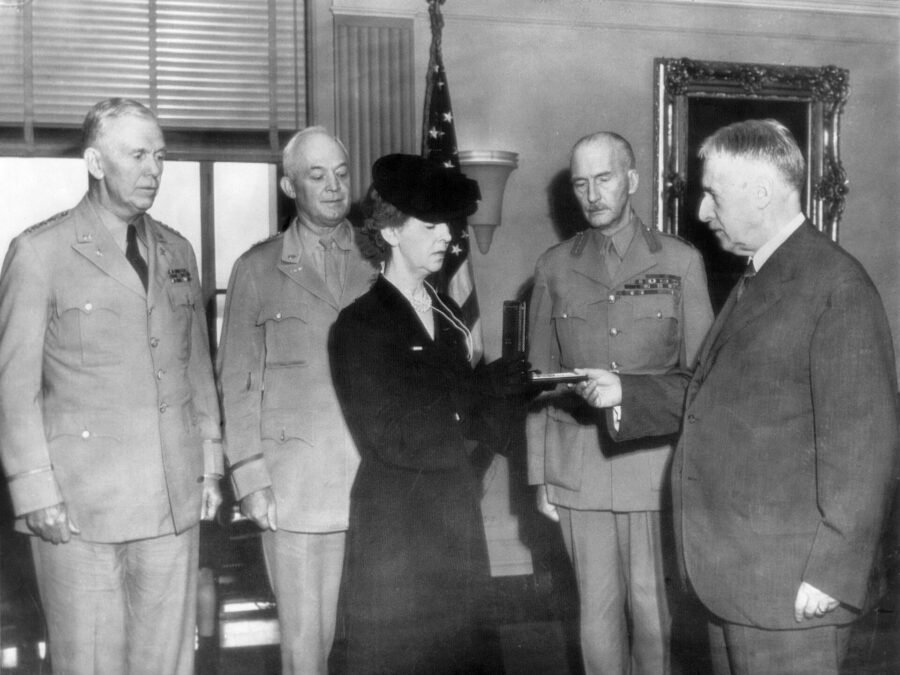
“We’ll Start the War from Right Here”
At fifty-six, with a bad heart and arthritis that made him walk with a cane, Brigadier General Theodore Roosevelt Jr., the eldest son of a president, talked his way into the first wave at Utah Beach. When the landing craft came in a mile off course, he made the decision that saved the day. Five weeks later he was dead.
 File 032Article
Houssen, Alsace, France · 1942–1945
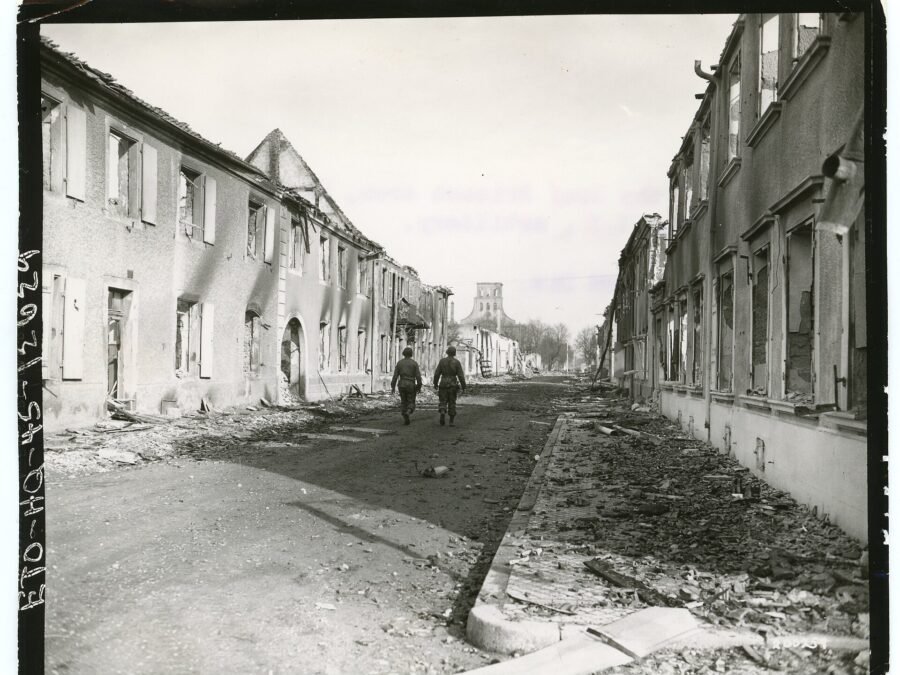
“Blanket My Position”
In a frozen ditch in Alsace in January 1945, Lieutenant Garlin Conner called American artillery down on his own position to stop six hundred Germans and six tanks. He went home to a Kentucky farm and never talked about it. It took his widow, a stranger and a twenty-two-year campaign to get him the Medal of Honor, seventy-three years later.
 File 031Article
Germany · 1943–1946
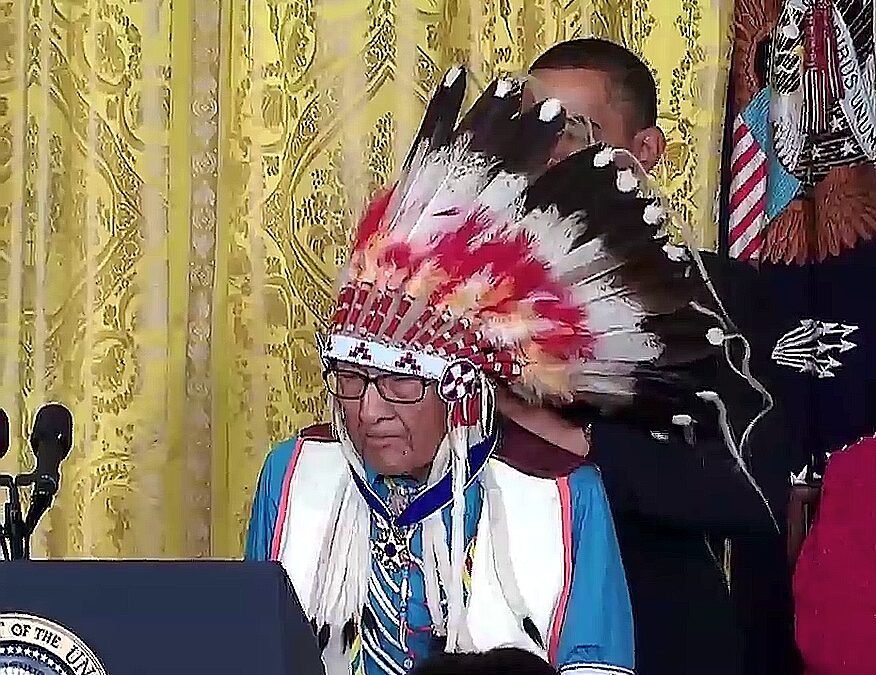
The Last War Chief of the Crow
Joseph Medicine Crow went to war in 1944 with red paint on his arms under his uniform and an eagle feather in his helmet. In Germany he completed the four deeds a Crow warrior needed to become a war chief, ending with fifty horses taken from the SS. He lived to be 102, the tribe’s historian and its last war chief.
 File 030Article
Itter, Tyrol, Austria · 4–5 May 1945
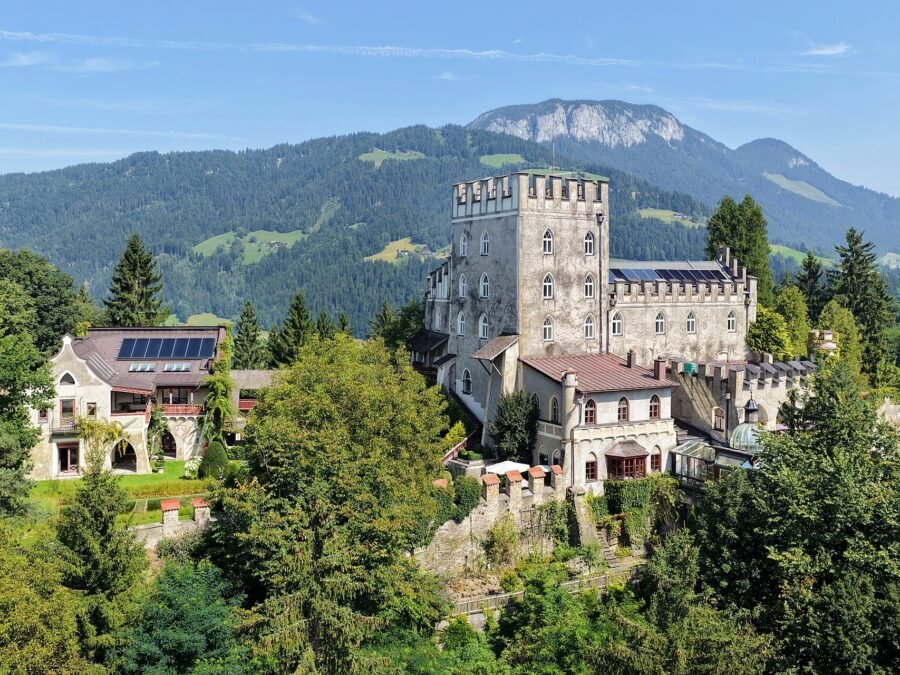
The Battle for Castle Itter
Five days after Hitler’s death, in a castle in the Austrian Alps, American tank crews, German Army soldiers, a converted SS officer and a group of famous French prisoners, including two former prime ministers and a tennis champion, fought side by side against the Waffen-SS.
 File 028Article
Western Front, France · 1917–1919
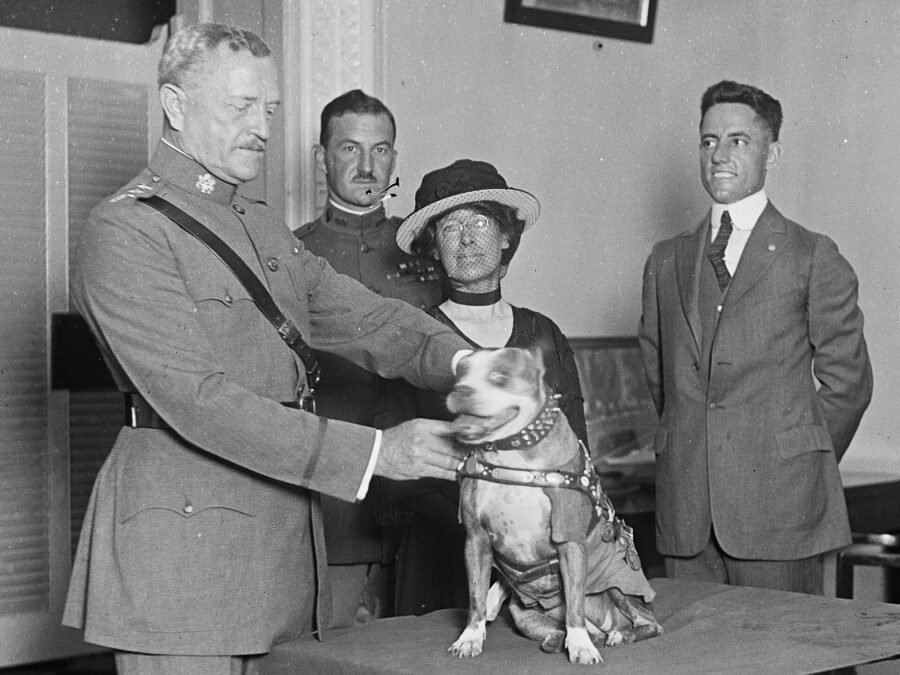
The Stray from the Yale Bowl
A brindle stray wandered into an Army training camp in Connecticut in 1917, was smuggled to France, and spent eighteen months in the trenches with the 102nd Infantry. He was gassed and wounded, and came home a celebrity. General Pershing pinned a medal on him. His rank of sergeant was never official, but nobody in the regiment argued.
 File 026Article
Crete and the Western Desert · 1941–1942
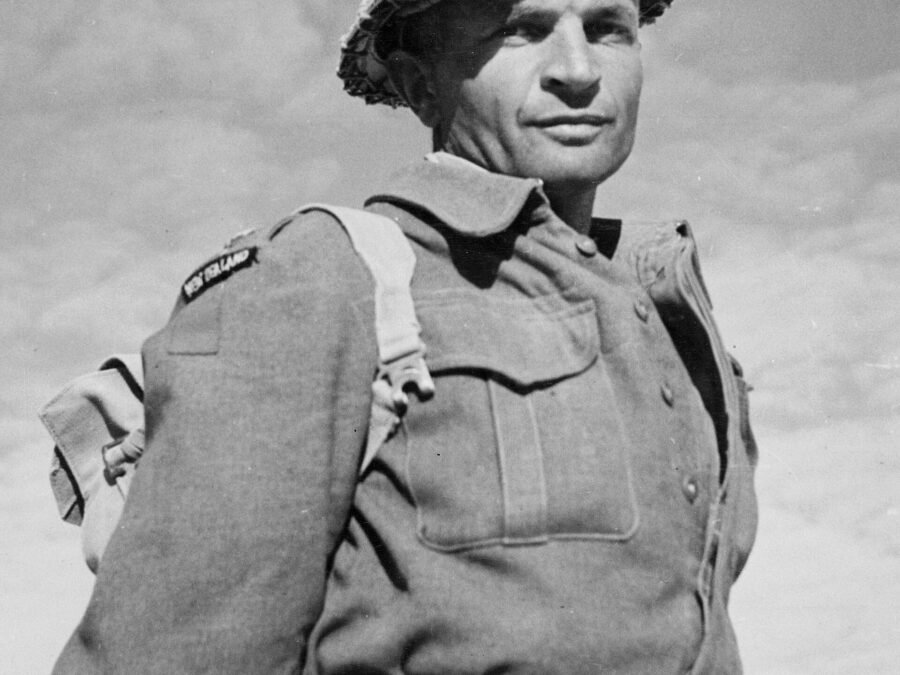
Twice the Victoria Cross
A shy New Zealand sheep farmer who did not want a medal won the Victoria Cross twice: on Crete in 1941 and on Ruweisat Ridge in 1942. No other fighting soldier has done it. Then he spent three years trying to escape from German prison camps.
 File 010Article
Holtzwihr, France · 1943–1945
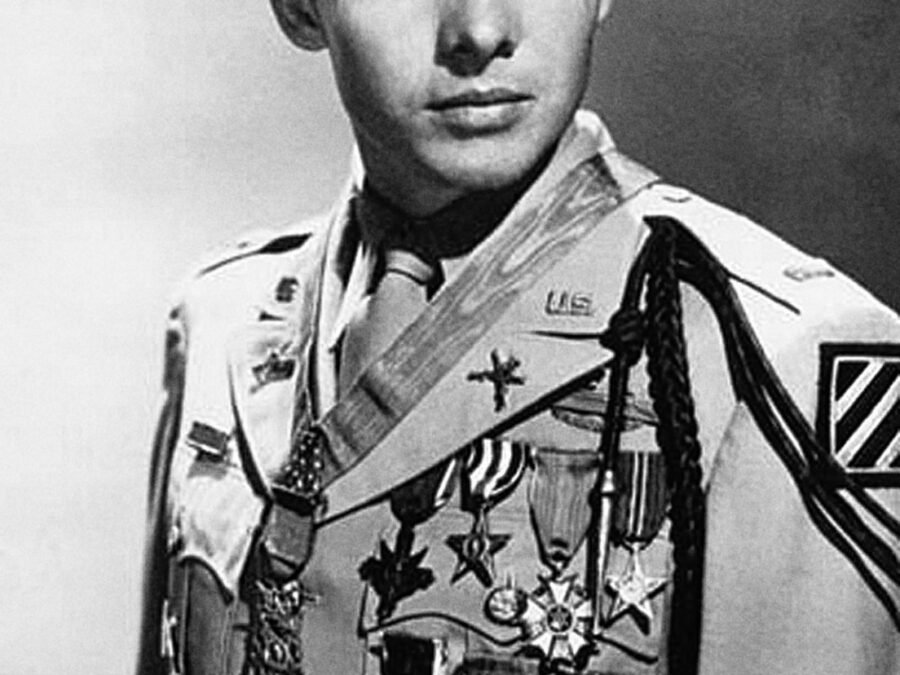
The Burning Tank at Holtzwihr
Audie Murphy was turned away by the Marines for being too small. On 26 January 1945, standing on a burning tank destroyer in eastern France, he held off a German attack for an hour.
 File 015Article
Netherlands · Korea · 1944–1951
The One-Eyed Ghost of Zwolle
Léo Major lost an eye days after D-Day and refused to go home. In April 1945 he walked into the occupied Dutch city of Zwolle alone. By morning the Germans had gone. How much of that was his doing is still argued about.
 File 011Article
Argonne, France · 1918
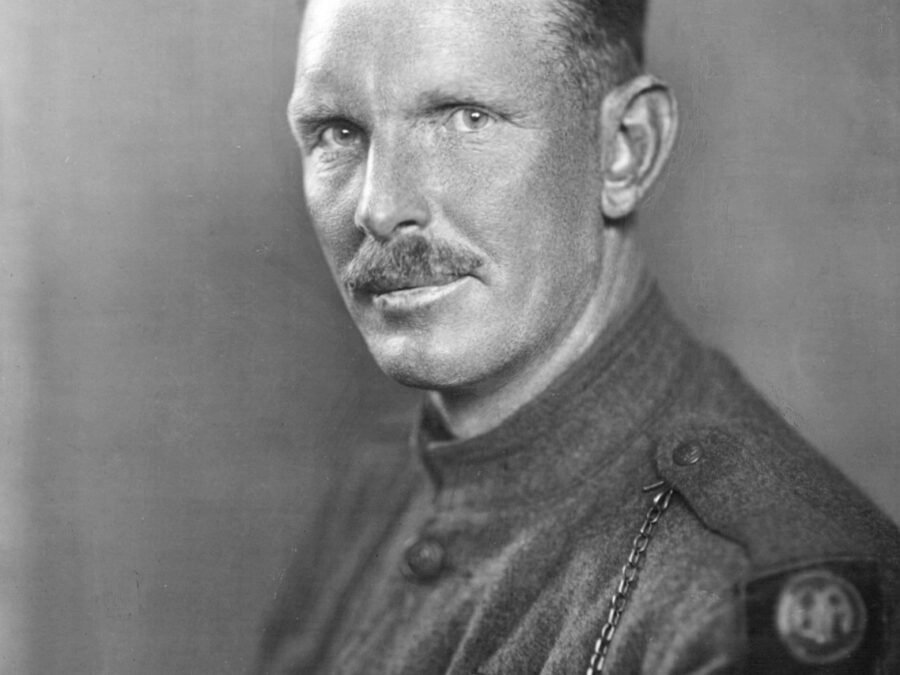
Sergeant York’s Seventeen
A Tennessee blacksmith’s son who had asked not to fight led the survivors of a seventeen-man patrol in the Argonne on 8 October 1918. By the end of the morning they had more than a hundred prisoners.
 File 006Article
Argonne, France · May 1918
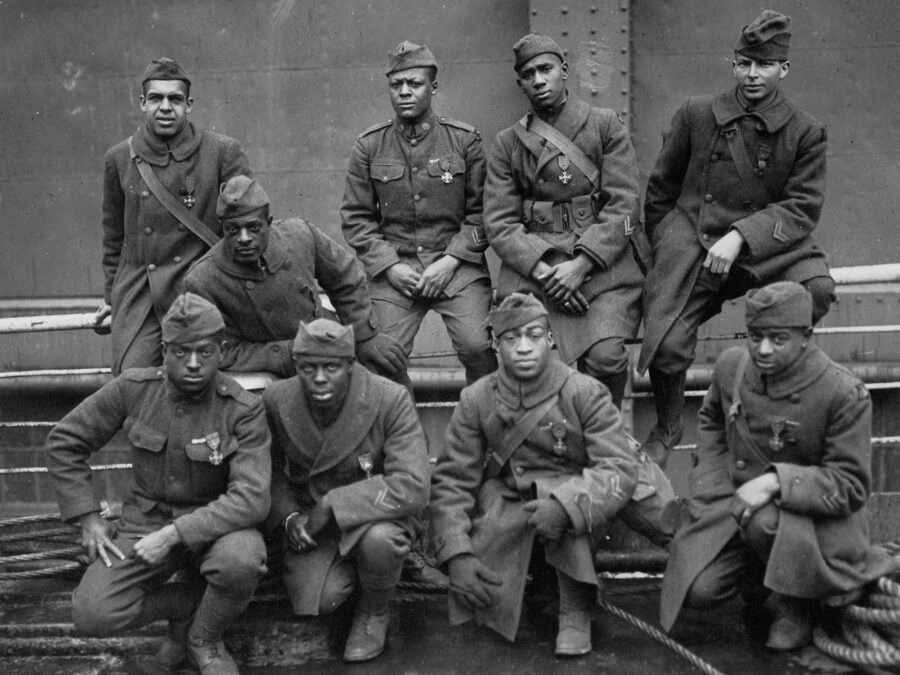
The Sentry Post in the Argonne
On sentry duty in the Argonne in May 1918, Private Henry Johnson of the Harlem Hellfighters fought off a German raiding party with grenades, a rifle butt and a knife. It took the United States ninety-seven years to give him its highest honour.
 File 001Article
Normandy · June 1944
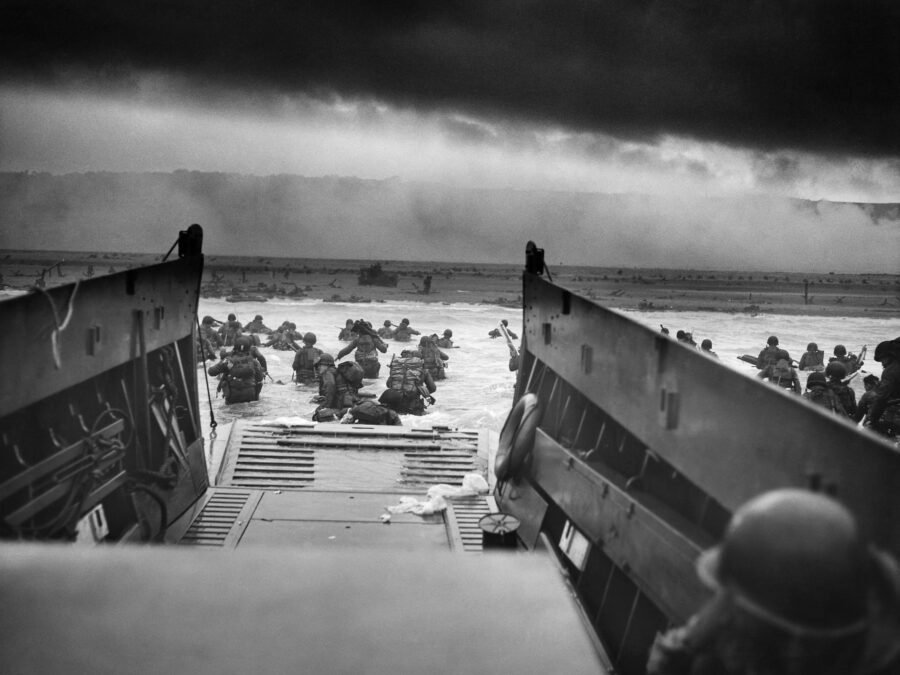
The Medic of Omaha Beach
Wounded before he reached the sand, Corporal Waverly Woodson Jr. treated more than two hundred men over thirty hours. The Medal of Honor recommended for him never came.
 ▸ Film
Western Front
John Barkley
Alone in a wrecked tank, he broke two German attacks with their own machine gun
 ▸ Film
Western Front
Garlin Conner
The second-most decorated U.S. soldier of WWII — and it took 73 years to honor him
 ▸ Film
Western Front
Freddie Stowers
They faked a surrender to wipe out his company. He took the hill anyway
 ▸ Film
Western Front
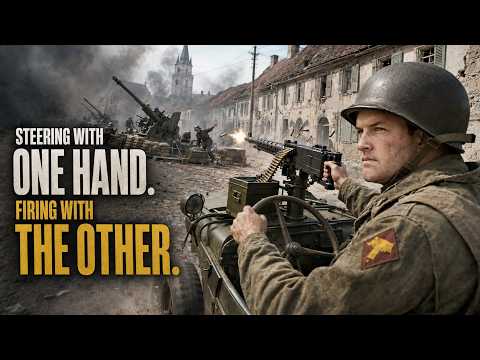
Llewellyn Chilson
Truman gave him seven medals and said they should be a Medal of Honor
 ▸ Film
Western Front
Vito Bertoldo
The half-blind cook who held off two panzer divisions alone
 ▸ Film
Western Front
Teddy Roosevelt Jr.
The oldest man on D-Day — "We'll start the war from right here"
 ▸ Film
Western Front
Francis Currey
Six teenagers trapped by German tanks — the 19-year-old destroyed them all
 ▸ Film
Western Front
Stubby
A stray dog caught a German spy and survived 17 battles — his men called him Sergeant
 ▸ Film
Western Front
Henry Johnson
He ran out of bullets and fought off two dozen Germans with a knife — alone
 ▸ Film
Western Front
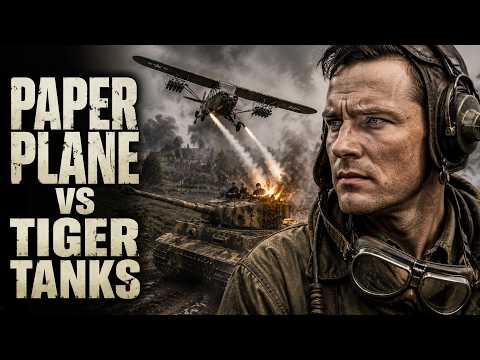
Bazooka Charlie
He strapped six bazookas to a flight-school trainer and dove at Tiger tanks
 ▸ Film
Western Front
Charles Coolidge
A tank asked if he wanted to surrender — "I'm sorry Mac, you gotta come and get me"
 ▸ Film
Western Front
Joe Medicine Crow
He stole 50 horses from the SS and sang as he rode away — the last war chief
 ▸ Film
Western Front
The Battle for Castle Itter
Americans and Germans fought on the same side — against the SS