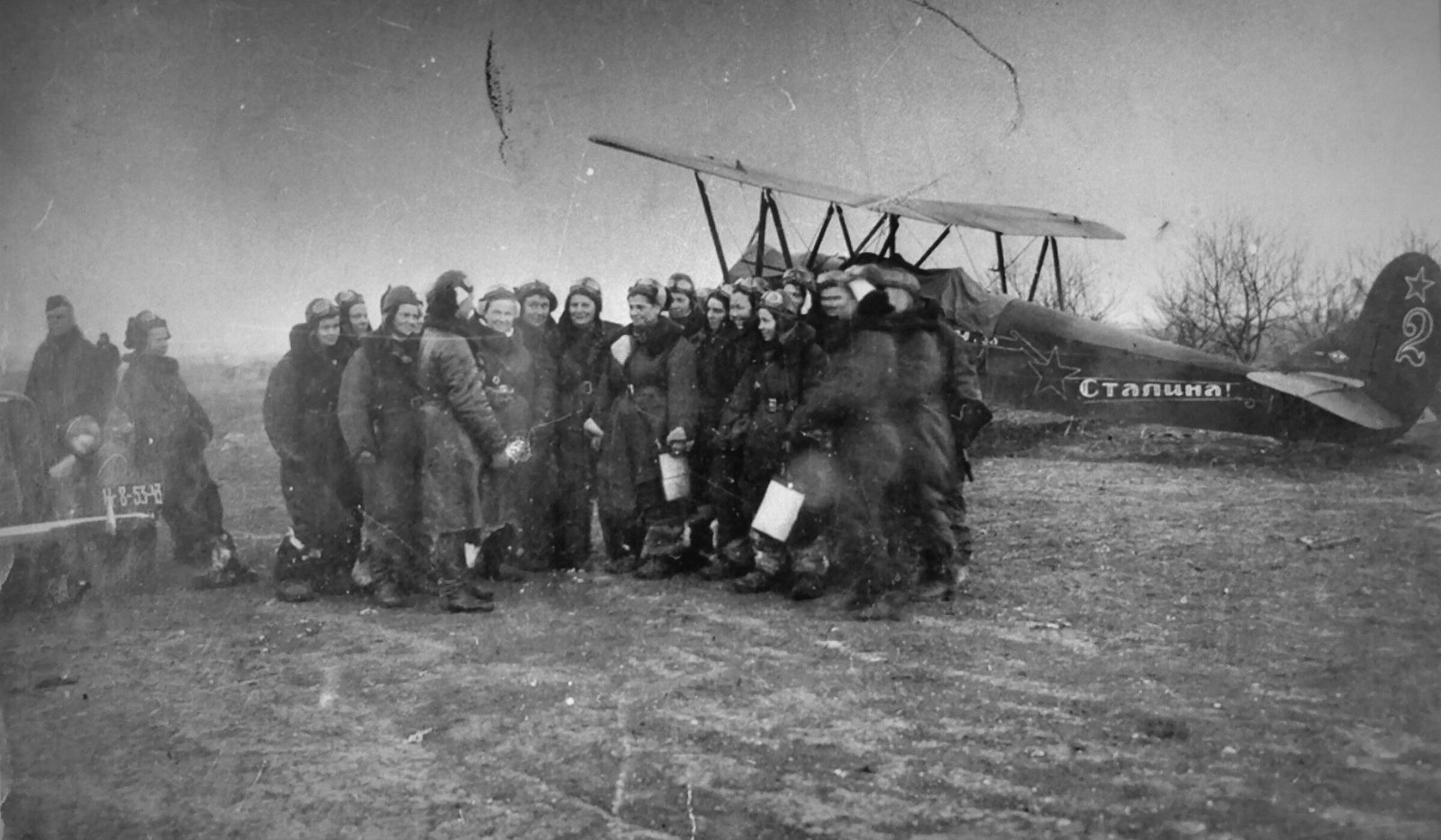
Nadezhda Vasilyevna Popova was born on 17 December 1921 in the village of Shabanovka, in the Oryol region of Russia, and grew up near the coalfields of the Donbas, in Ukraine, where her father worked on the railway. As a girl she loved music and dancing, and thought about becoming an actress or a doctor. Then a small aircraft landed near her village, and she decided she would fly.1,3
At fifteen she joined a gliding school without telling her parents. At sixteen she made her first parachute jump and her first solo flight. The regular flying school turned her down at first, until Polina Osipenko, one of the Soviet Union’s famous women aviators, recommended her. She trained at the flying school in Kherson, and by eighteen she was a flying instructor herself.1
A war that came home
Germany invaded the Soviet Union in June 1941. Within months the war reached Popova’s family. Her brother Leonid was killed at the front in 1941, and when German forces took her home region, the family house was requisitioned by the occupiers. She volunteered for combat flying.1,3
Her chance came through Marina Raskova, a celebrated navigator who had lobbied for women to be allowed to fly in combat. On 8 October 1941 an order authorised three aviation regiments made up of women. Popova was sent to the training base at Engels, on the Volga, and joined the 588th Night Bomber Regiment, which was staffed entirely by women, from pilots and navigators to mechanics and armourers. Its commander was Major Yevdokiya Bershanskaya, and it flew its first combat mission on 12 June 1942.1,2
The plywood bomber
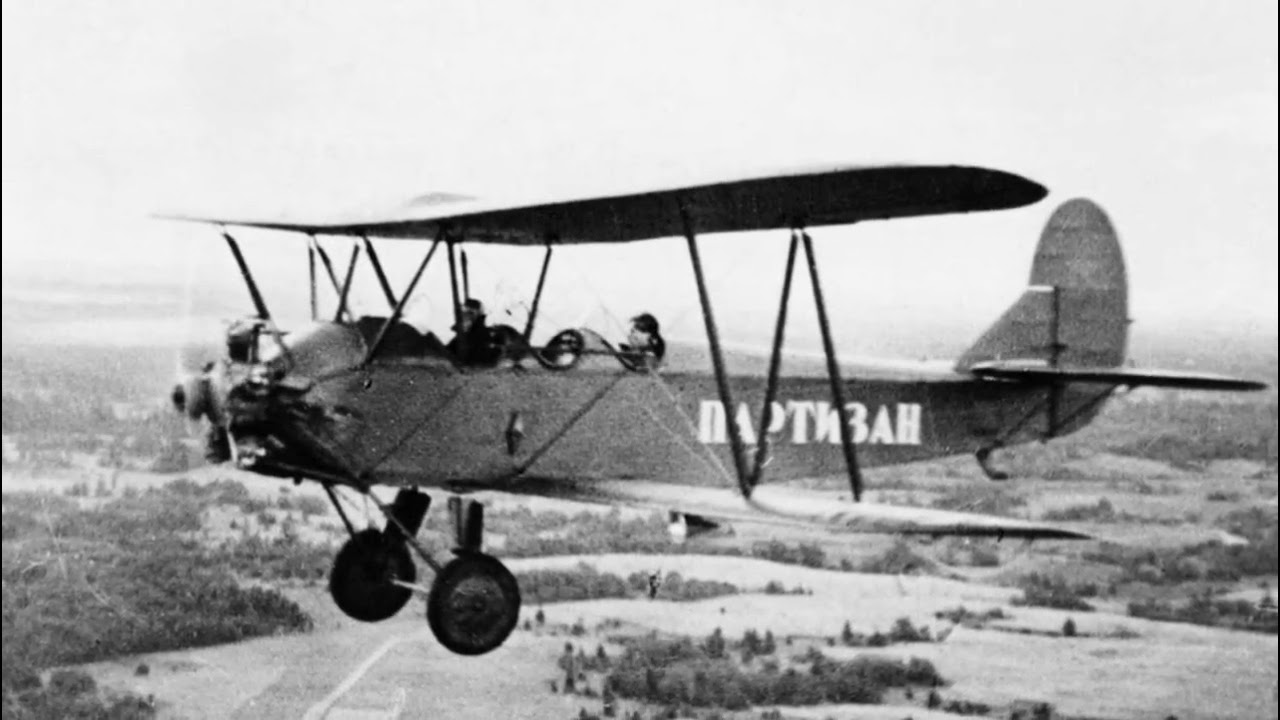
The regiment flew the Polikarpov Po-2, a training biplane of wood and fabric, with two open cockpits, one behind the other, for the pilot and the navigator. It had no radio and no guns, and for much of the war its crews had no parachutes. It could carry only a small load of bombs under its lower wings.1,2
Those weaknesses were also its strengths. The Po-2 was so slow that its top speed was below the stalling speed of the German fighters sent after it, which made it hard to shoot down, and it was light and manoeuvrable enough to fly low along valleys and treelines. The regiment flew only at night. Crews would cut their engine as they approached a target and glide in silently to drop their bombs, and often worked in threes: two aircraft drew the searchlights and the fire while the third slipped through to bomb.2,3
German soldiers on the ground took to calling them the Nachthexen, the Night Witches. The whistling of the wind through the wires of a gliding Po-2, one story goes, sounded like a witch on a broomstick. The women heard the name and adopted it.1,3
Shot down and walking home
The first losses came even before combat, on 10 March 1942, when two aircraft crashed in a blizzard during training. On 2 August 1942 Popova was flying a daylight reconnaissance near Cherkessk, in the northern Caucasus, when German aircraft attacked her and she was forced to make an emergency landing. She made her way back to her unit by joining a column of retreating Soviet troops.1
Among the wounded in that column was a fighter pilot named Semyon Kharlamov, reading Mikhail Sholokhov’s novel And Quiet Flows the Don. They talked on the road. They would meet again.1,3
Popova was shot down several times over three years of combat and never seriously hurt. On one mission over Novorossiysk she flew through heavy fire to drop supplies to the Soviet troops holding the beachhead at Malaya Zemlya, and came back with her aircraft riddled with bullet holes.1
Eighteen missions in one night
Because each Po-2 carried so few bombs, the regiment made up for it in numbers. Crews flew again and again through the same night: take off, bomb, land, rearm and refuel, and go again. Popova, who rose to command a squadron, flew 852 missions in the course of the war. On one night over Poland she and her navigator, Yekaterina Ryabova, flew eighteen.1,3
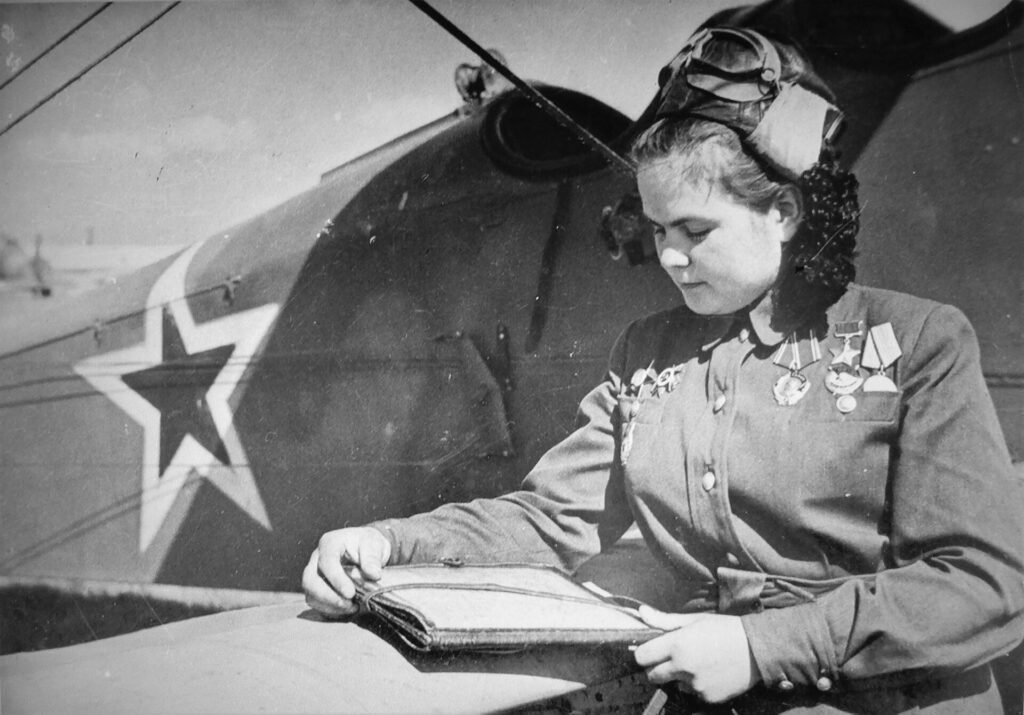
In February 1943 the 588th was renamed the 46th Guards Night Bomber Aviation Regiment in recognition of its record, and later received the honorific title “Taman” for its part in the fighting on the Taman Peninsula. By the end of the war it had flown more than twenty-three thousand sorties. Thirty-two of its members were killed, and twenty-three were made Heroes of the Soviet Union.2
No guns, no radio and, for much of the war, no parachutes. Just wood, canvas, a few small bombs and the dark.
The Po-2 night bomber, 1942–1945
Names on the Reichstag
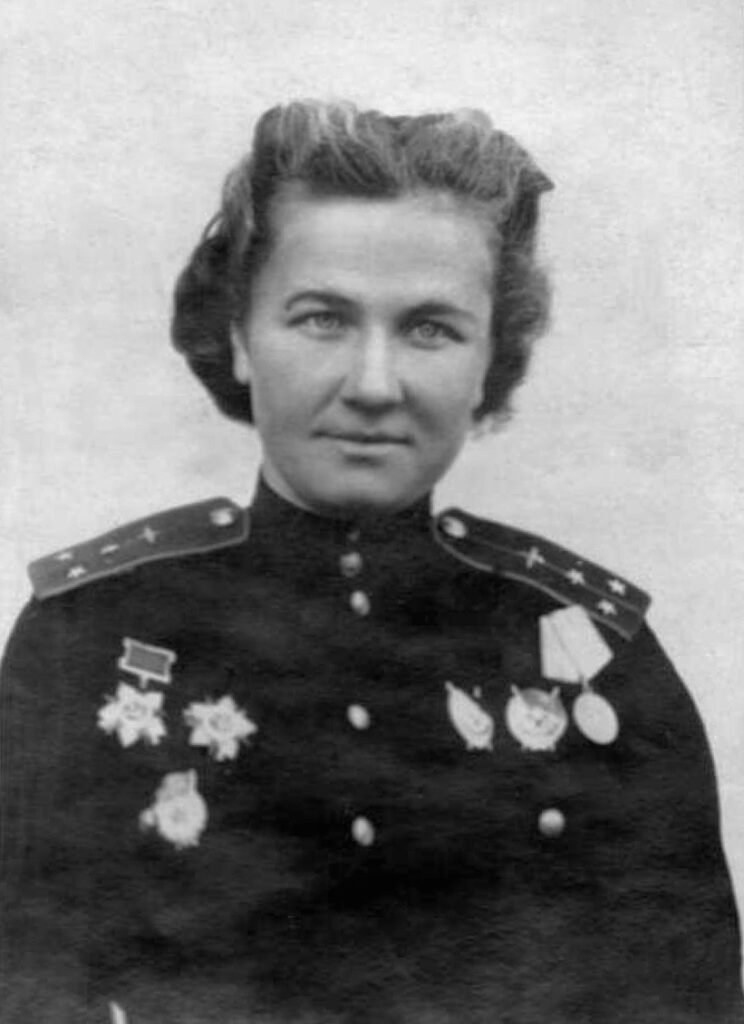
On 23 February 1945 Popova was named a Hero of the Soviet Union and awarded the Order of Lenin. Her citation at that date counted 737 sorties; she flew more before the war ended. In Berlin, after the German surrender, she met Semyon Kharlamov again, and the two pilots wrote their names side by side on the walls of the Reichstag, as thousands of Soviet soldiers did that spring.1,3
The regiment was disbanded in October 1945. Popova came home to a hero’s welcome, with a marching band and two thousand people waiting for her at the local theatre. She married Kharlamov, who rose to become a colonel general in the Soviet Air Force, and they had a son, Aleksandr, who also became an air force officer. She spent almost twenty years as a flying instructor and retired as a colonel.1
The last of the witches
Kharlamov died in 1990. In old age Popova became one of the best-known voices of the Night Witches, giving interviews to historians and journalists about what it had been like to fly night after night over German lines. She received the Order of Friendship in 1995 and the Order of Honour in 2000.1,3
Nadezhda Popova died in Moscow on 8 July 2013, at the age of ninety-one.
Timeline
- 17 December 1921 Born in Shabanovka, Oryol region.
- 1937 First parachute jump and first solo flight, aged sixteen.
- 1941 Her brother Leonid is killed; she volunteers for combat.
- 8 October 1941 Order authorises three women’s aviation regiments.
- 12 June 1942 The 588th Night Bomber Regiment flies its first combat mission.
- 2 August 1942 Forced down near Cherkessk; meets Semyon Kharlamov.
- February 1943 Regiment renamed the 46th Guards Night Bomber Regiment.
- 23 February 1945 Named a Hero of the Soviet Union.
- May 1945 Signs her name on the Reichstag in Berlin.
- October 1945 Regiment disbanded.
- 8 July 2013 Dies in Moscow, aged 91.
- Anne Noggle, A Dance with Death: Soviet Airwomen in World War II (Texas A&M University Press, 1994).
- Reina Pennington, Wings, Women, and War: Soviet Airwomen in World War II Combat (University Press of Kansas, 2001).
- The Washington Post, obituary of Nadezhda Popova, 13 July 2013; NPR, “‘Night Witch’ Flew Bomber Planes During World War II”, 15 July 2013.
- Regimental totals follow Pennington. Popova’s sortie count is usually given as 852 for the whole war; her Hero of the Soviet Union citation in February 1945 counted 737 at that date.
Found an error, or hold a related record? Tell the research desk.

Share what you know