





Ways to Play Music Using Your Amazon Echo Device
While mobile phones undoubtedly provide countless benefits and conveniences, their excessive and improper use brings with it a variety of negative effects and challenges that are often overlooked.

In today’s world, innovation is moving at an incredible pace, transforming the way we live, work, and communicate. From artificial intelligence and machine learning to renewable energy and advanced medical solutions.
Table Of Content
The digital age has connected people across the globe, making information more accessible than ever before. Smart devices, cloud platforms, and automation tools are no longer luxuries—they are essential parts of daily life and business operations.
At the same time, these advancements bring new challenges, such as cybersecurity risks, ethical debates about AI, and concerns over data privacy.
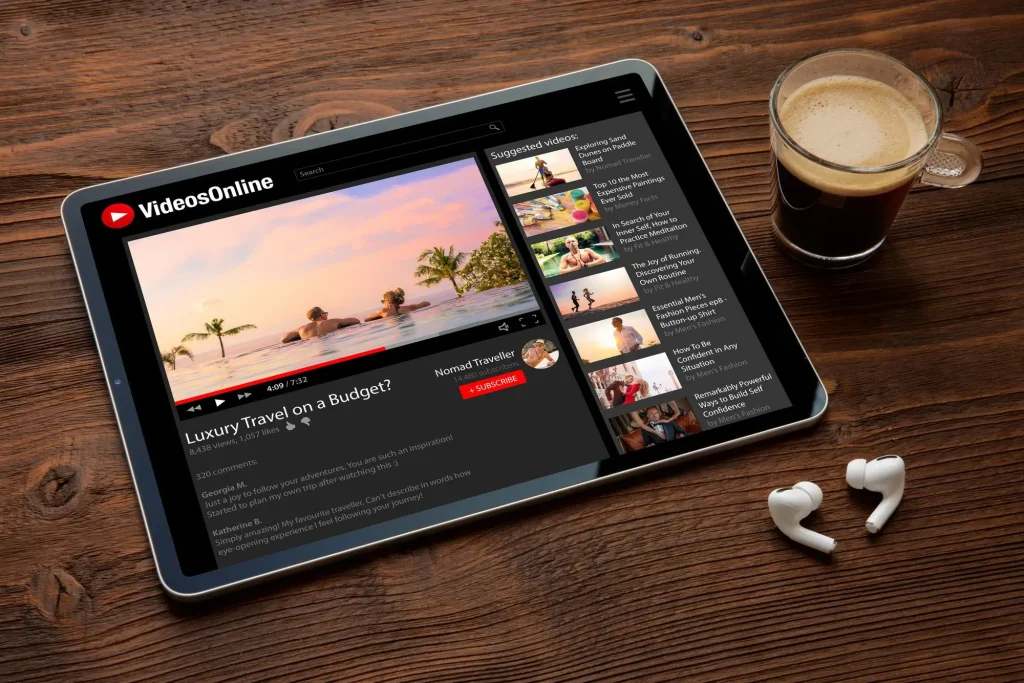
Exploring the Key Features of Technology and Artificial Intelligence
- Data Analysis and Pattern Recognition
- Personalization and Customization
- Artificial Neural Networks
- Scalability
- Integration and Interoperability
- Ethical Considerations and Bias.
- MitigationAutonomy and Independence
Mobile Phones and Modern Lifestyles: As smartphones increasingly become the center of various activities, their impact on modern lifestyles and personal habits is more profound than ever before.
The Connection Between Technology and Personal Habits!
In recent years, we’ve witnessed groundbreaking developments: AI tools that can analyze data and generate insights in seconds, wearable devices that track our health in real time, and renewable energy technologies that bring us closer to a sustainable future.
Ultimately, technology is more than just a tool—it is a catalyst for human potential. It empowers individuals and organizations to think bigger, work smarter, and build solutions that were once unimaginable.
Tech-Savvy Living: How Smartphones Are Revolutionizing the Home and Personal Spaces.
The digital era has created endless opportunities—smarter healthcare systems, global communication without borders, efficient business solutions, and tools that empower creativity. Yet, alongside progress come challenges such as cybersecurity threats.
Still, the potential is extraordinary. Emerging solutions are not only driving convenience and efficiency but also tackling global challenges like climate change.
It has become appallingly obvious that our technology has exceeded our humanity. The human spirit must prevail over technology. Otherwise, it will become a tool of destruction rather than a servant of progress.
Albert Einstein
Lorem ipsum dolor sit amet consectetur adipiscing elit. Quisque faucibus ex sapien vitae pellentesque sem placerat. In id cursus mi pretium tellus duis convallis. Tempus leo eu aenean sed diam urna tempor. Pulvinar vivamus fringilla lacus nec metus bibendum egestas.
Don’t Miss: Balancing Your Life in an Era Dominated by Mobile Devices

Lorem ipsum dolor sit amet. Qui eius minus est internos facere eum maxime veniam. Aut rerum sequi eos optio nemo sit dignissimos vitae est quasi doloribus.
- Sleek and Premium Design – The iPhone boasts a sophisticated design with a glass front and back, paired with a durable aluminum or stainless steel frame. Its modern look is both elegant and ergonomic, making it a pleasure to hold and use.
- Stunning Retina Display – The iPhone’s Retina display offers incredible color accuracy, sharpness, and brightness. Whether you’re watching videos, playing games, or reading, the screen provides crisp, lifelike visuals with deep contrast.
- Powerful Performance – Powered by Apple’s latest A-series chip (such as the A15 Bionic or A16), the iPhone delivers fast processing speeds, seamless multitasking, and smooth gameplay. It’s designed to handle everything from everyday tasks to intensive apps with ease.
- Seamless iOS Ecosystem – The iPhone works flawlessly with other Apple products, including the iPad, Mac, Apple Watch, and Apple TV. Features like Handoff, AirDrop, and iMessage make switching between devices smooth and effortless.
Streamlining Productivity, Health, and Social Connections
Lorem ipsum dolor sit amet consectetur adipiscing elit. Quisque faucibus ex sapien vitae pellentesque sem placerat. In id cursus mi pretium tellus duis convallis. Tempus leo eu aenean sed diam urna tempor. Pulvinar vivamus fringilla lacus nec metus bibendum egestas.
- Makes tasks faster and efficient.
- Provides easy access to services.
- Drives new ideas and solutions.
- Handles repetitive or complex tasks.
- Changes lifestyles and work methods.
Challenges: The Unseen Consequences of Excessive Mobile Phone Use!
Lorem ipsum dolor sit amet consectetur adipiscing elit. Quisque faucibus ex sapien vitae pellentesque sem placerat. In id cursus mi pretium tellus duis convallis.

While mobile phones undoubtedly provide countless benefits and conveniences, their excessive and improper use brings with it a variety of negative effects and challenges that are often overlooked.
These consequences can span across physical, mental, and social realms, affecting users in ways they may not always immediately recognize. As our reliance on mobile devices continues to grow, it becomes increasingly important to examine and understand the potential risks associated with their overuse.
Conclusion
The negative effects of mobile phone use are undeniable, and while these devices offer undeniable conveniences, their overuse or misuse brings about a series of challenges that cannot be ignored.

Lorem ipsum dolor sit amet. Qui eius minus est internos facere eum maxime veniam. Aut rerum sequi eos optio nemo sit dignissimos vitae est quasi doloribus.
Despite these challenges: the opportunities are limitless.
By creating boundaries, fostering mindful use, and prioritizing real-world interactions.
- 5G Connectivity
- High-Resolution Display
- iOS Ecosystem
- MagSafe Compatibility
The negative effects of mobile phone use are undeniable, and while these devices offer undeniable conveniences, their overuse or misuse brings about a series of challenges that cannot be ignored. From physical health problems and mental health concerns to environmental impact and diminished social connections, the consequences of excessive smartphone use are far-reaching.


No Comment! Be the first one.